archaeology

Peruvian history and culture

Traveling to Peru means entering a fascinating land, filled with memory, emotion, and ancient stories. It means crossing dizzying landscapes—from the Andes to the depths of the Amazon, through coastal deserts and high plains—and feeling at every step the presence of a people deeply rooted in their territory. Here, culture is not just heritage: it’s Peruvian history and culture

The essentials of Chiclayo

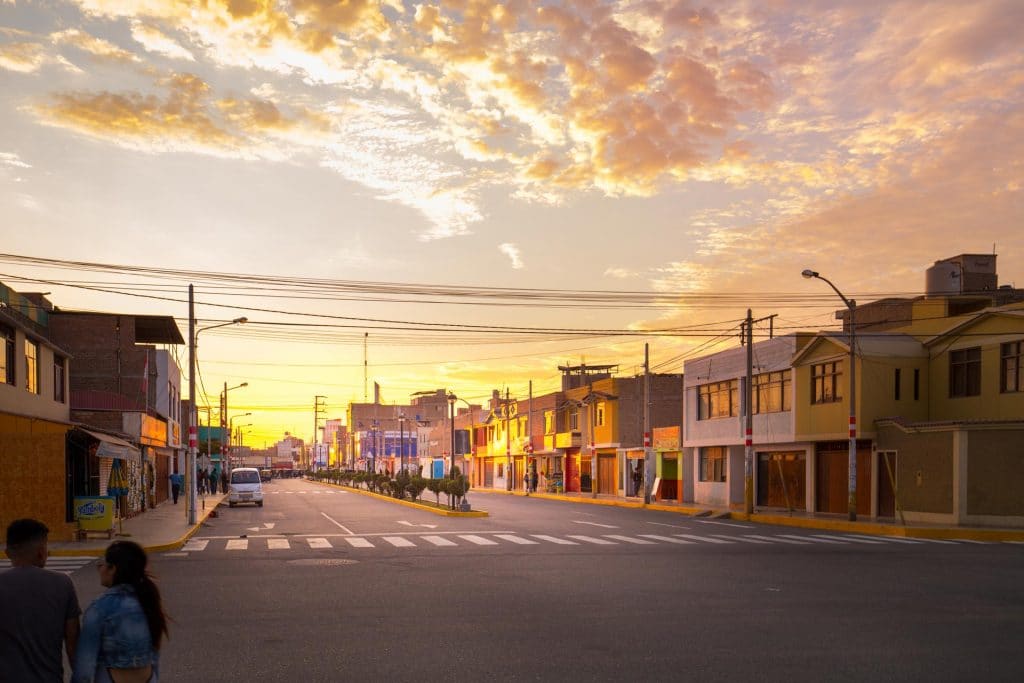
Chiclayo is the capital of the Lambayeque region, on the north coast of Peru. It is also the fourth largest city in Peru, after Lima, Arequipa and Trujillo. It is nicknamed “friendship capital” for the kindness of its inhabitants. Where does the name Chiclayo come from ? There are several theories about the origin of The essentials of Chiclayo

The essentials of Trujillo

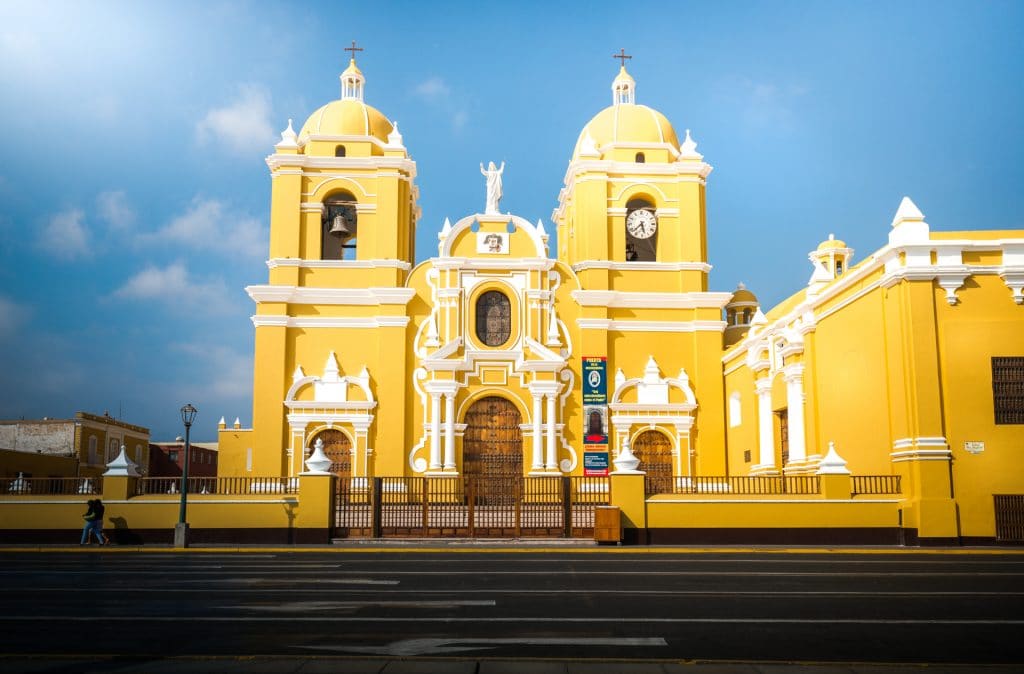
Trujillo, the capital of the La Libertad region, is located on the Northern coast of Peru. It is the 3rd largest metropolis in Peru after Lima and Arequipa. The city is often described as “Egypt of South America”. It was the headquarter of the Moche, Sicán and Chimú kingdoms. These are very sophisticated pre-Columbian and The essentials of Trujillo

Discover Cerro Sechin

Visite le nord du Pérou

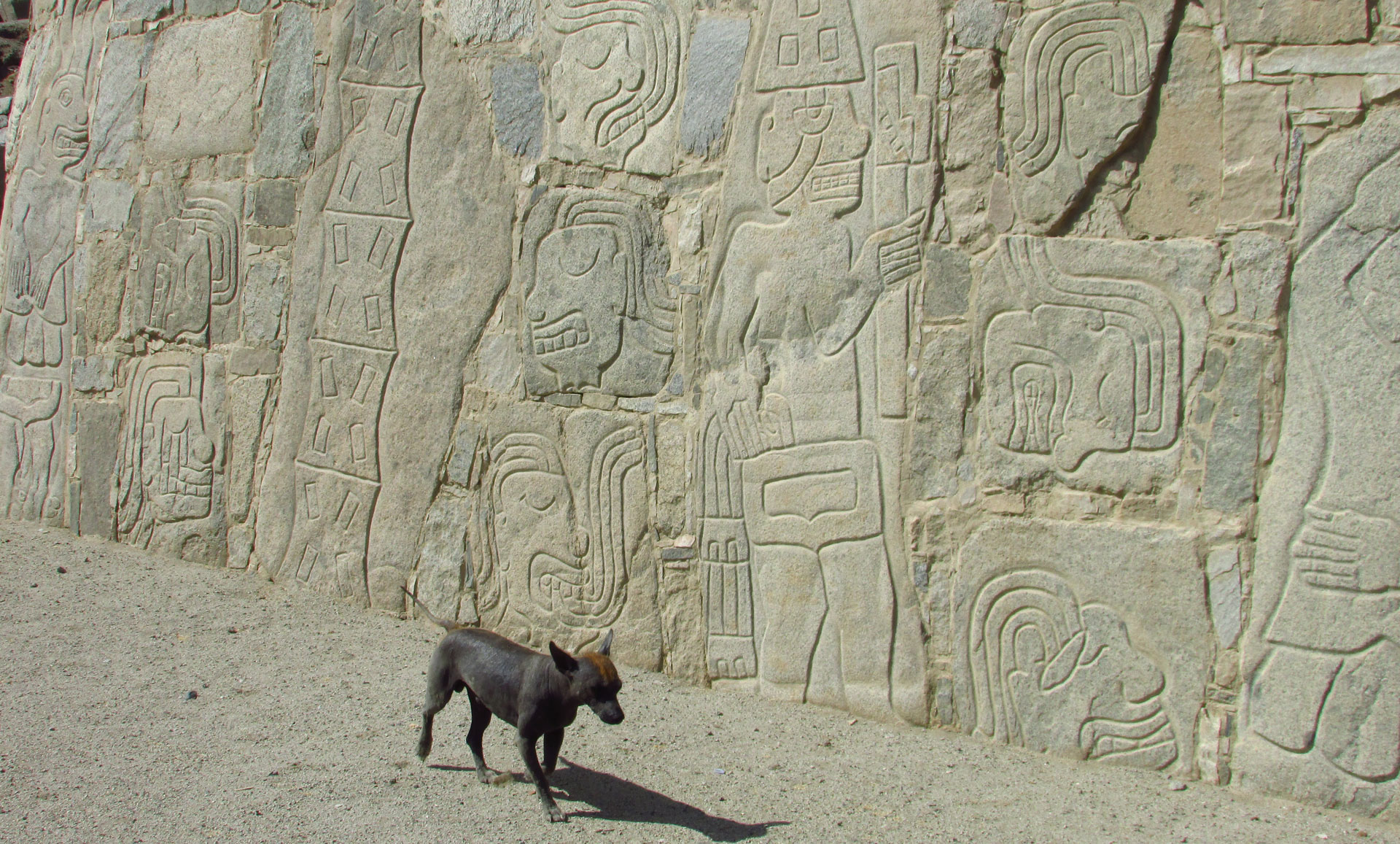
Cerro Sechin is one of the most mysterious sites that can be visited on the central and northern coast of Peru. It is also one of the oldest. Sechin is located about 300 kilometers north of the capital, Lima. We are 13 kilometers from the Pacific, on the coast of the Ancash region, 5 kilometers Discover Cerro Sechin

Sun and Moon Temples

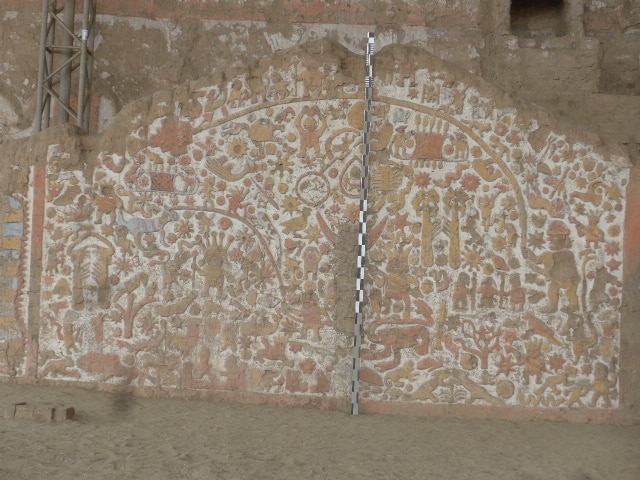
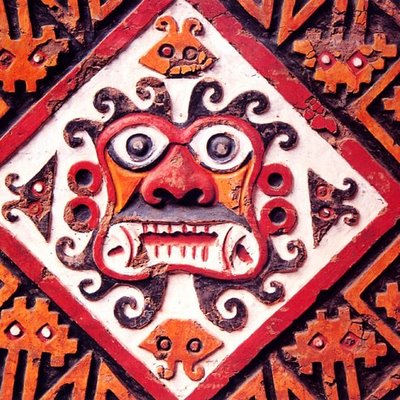
Just 30 minutes outside of Trujillo, the Sun and Moon Temples are a very important archaeological site in the region of La Libertad, on the north coast of Peru. Its construction was carried out for several hundred years. It was made by the Moche Culture (pronounced Mot-ché) who lived between 100 and 800 d. C. Les Moche had Sun and Moon Temples

Pyramids of Tucume

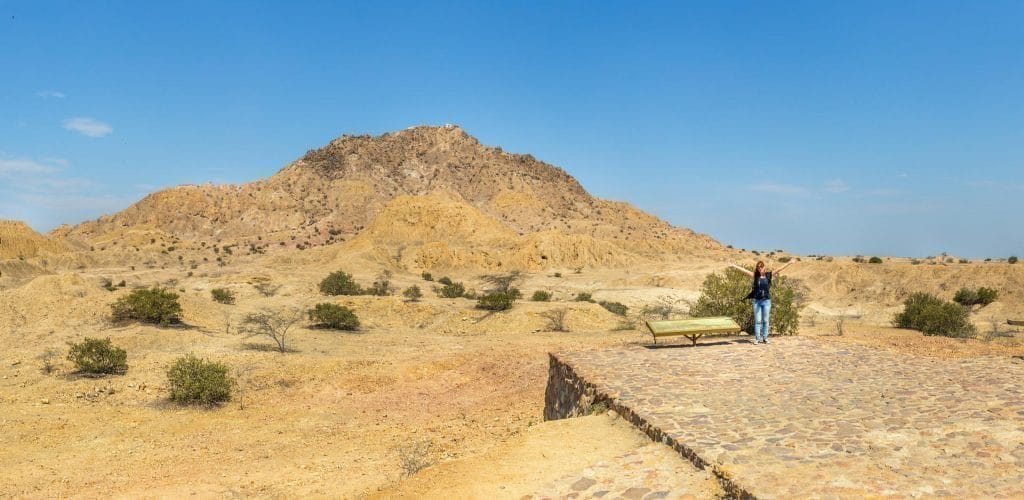
The Pyramids of Tucume are located in the Lambayeque region, 40 km from Chiclayo, the capital of the region, on the north coast of Peru. The landscape in this region is arid and dry, interrupted by green oases of agriculture, mainly rice. This remarkable archaeological site covers an area of 220 hectares and has 26 Pyramids of Tucume