m@rtina_admin

Tipping in Peru, good practices

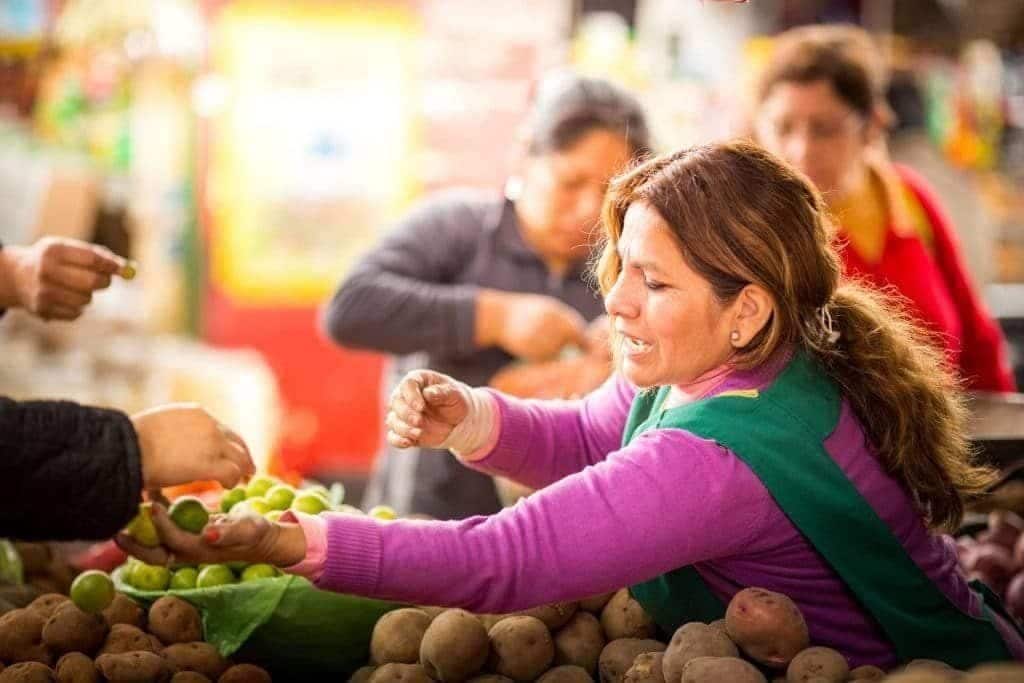
In some countries, such as the United States, it is very common to tip for services. This cultural practice is not so obvious for other countries. So we prepared  this article to help you get an idea about tipping in Peru, which is (by the way) not mandatory at all. We decided to quote in Soles Tipping in Peru, good practices

Discover Cerro Sechin

Visite le nord du Pérou

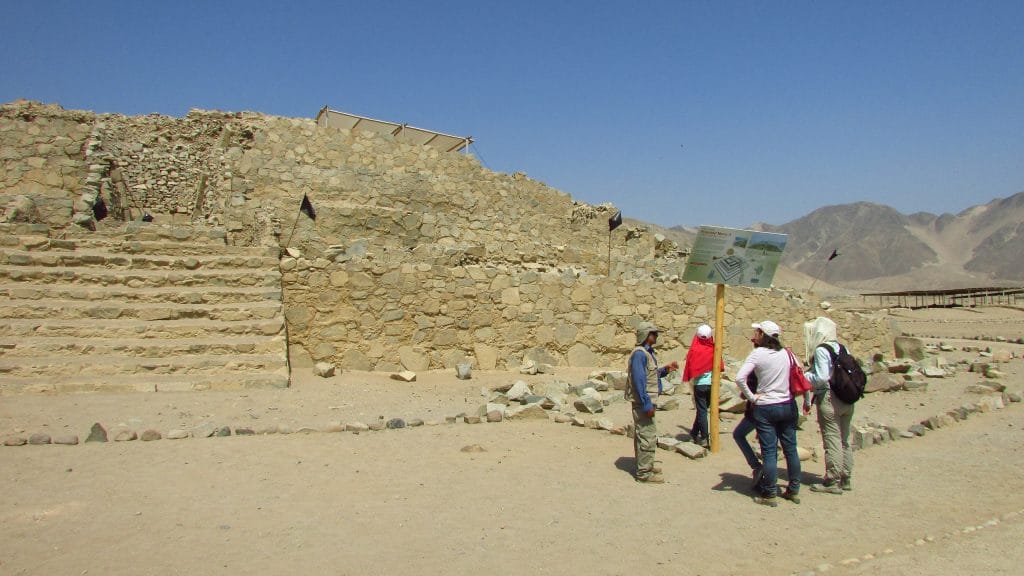
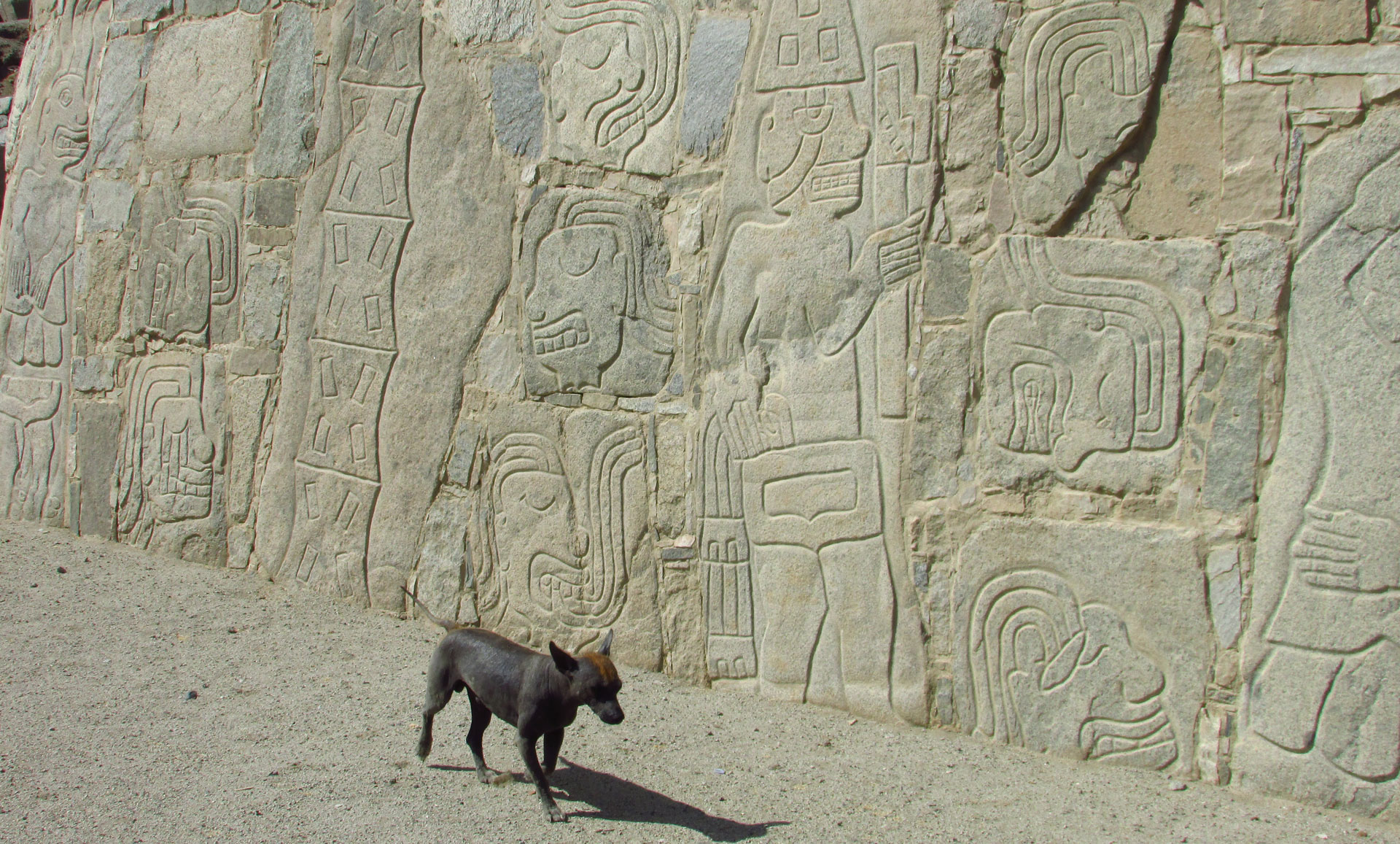
Cerro Sechin is one of the most mysterious sites that can be visited on the central and northern coast of Peru. It is also one of the oldest. Sechin is located about 300 kilometers north of the capital, Lima. We are 13 kilometers from the Pacific, on the coast of the Ancash region, 5 kilometers Discover Cerro Sechin

Sun and Moon Temples

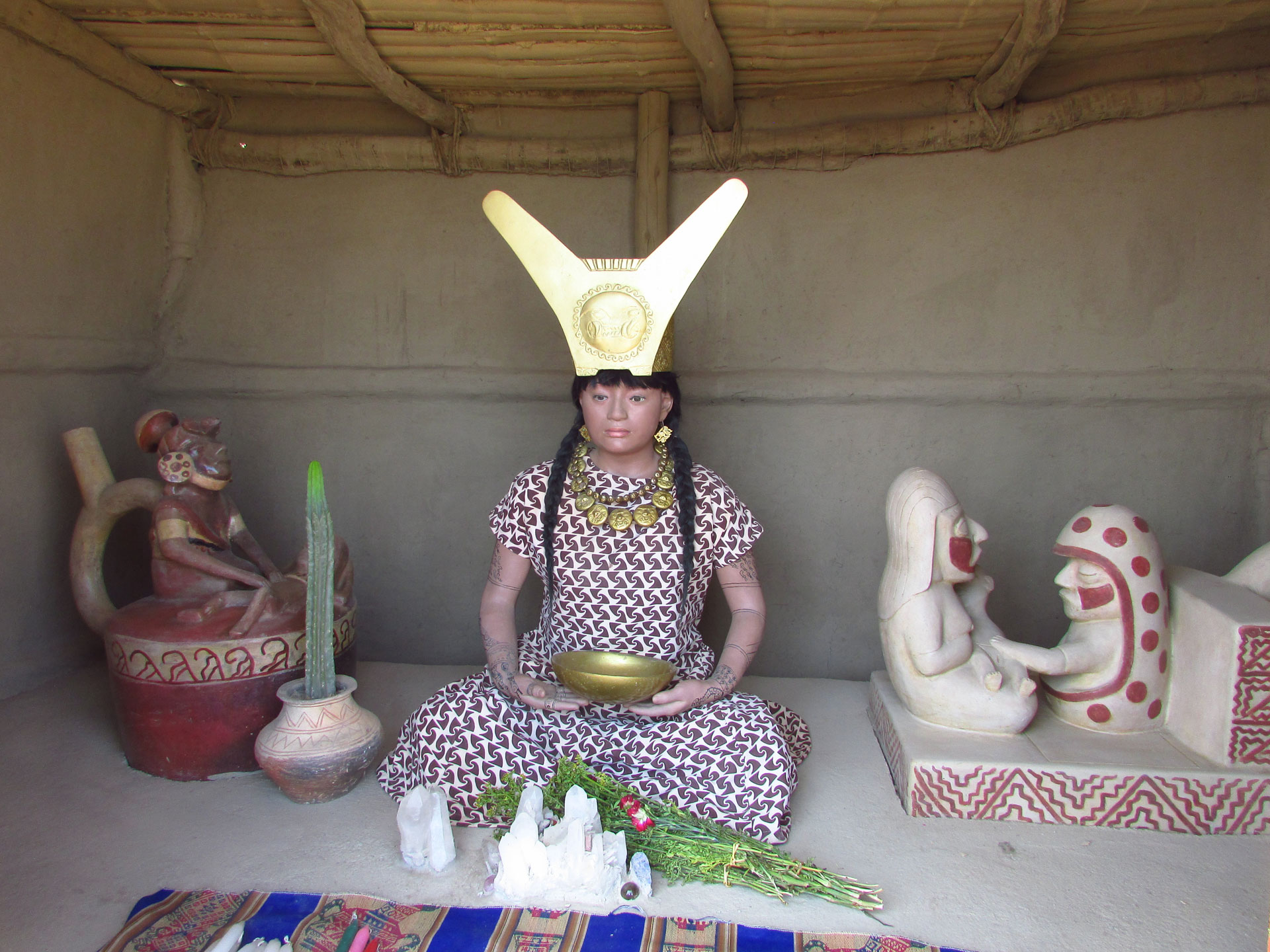
Just 30 minutes outside of Trujillo, the Sun and Moon Temples are a very important archaeological site in the region of La Libertad, on the north coast of Peru. Its construction was carried out for several hundred years. It was made by the Moche Culture (pronounced Mot-ché) who lived between 100 and 800 d. C. Les Moche had Sun and Moon Temples

Pyramids of Tucume

The Pyramids of Tucume are located in the Lambayeque region, 40 km from Chiclayo, the capital of the region, on the north coast of Peru. The landscape in this region is arid and dry, interrupted by green oases of agriculture, mainly rice. This remarkable archaeological site covers an area of 220 hectares and has 26 Pyramids of Tucume

Chachapoya culture

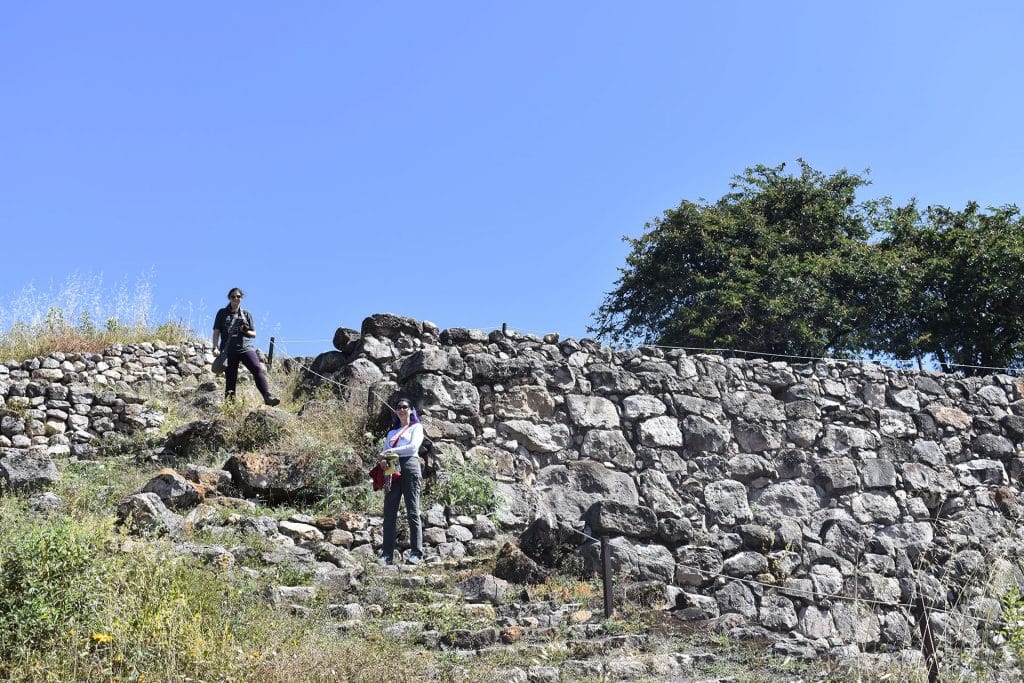
The Chachapoya people This is the article of Jhon Garcia, who is working with us as an official tour guide. He loves archaeology and sharing his knowledge with our clients. Today he tries to give a little light on the origine of the Chachapoya culture, situated in the region of Amazonas, in the Andes in Chachapoya culture

Raymi Llaqta: La fiesta del pueblo

Raymi Llaqta : La fiesta del pueblo The people of Chachapoyas lived (and still live) in the Amazonas region of northern Peru. This pre-Inca civilization remains little known despite its incredible builders (as demonstrated by the citadel of Kuelap, the “Machu Picchu of the North”) and its formidable fighters. They were the most resistant against the Raymi Llaqta: La fiesta del pueblo