
The Hermanos Garcia: When Mochica Clay Awakens in Music and Sculptures
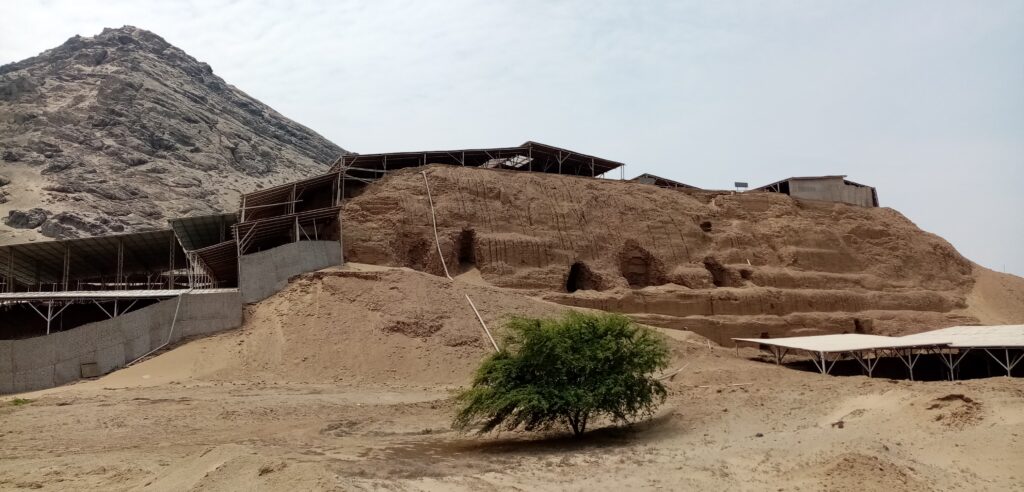
If you visit the northern coast of Peru, the city of Trujillo will undoubtedly reveal one of its greatest treasures: the majestic Temples of the Sun and Moon (Huacas del Sol y de la Luna). But to fully grasp the soul of this desert valley, you must venture deeper into the lush Campiña de Moche.
Here, amidst fields of sugar cane and corn, lies the beating heart of Mochica craftsmanship. Step through the doors of the Hermanos Garcia (Garcia Brothers) workshop. In this timeless place, clay is not merely shaped—it tells ancient stories and begins to sing.
Keepers of a Thousand-Year-Old Know-How
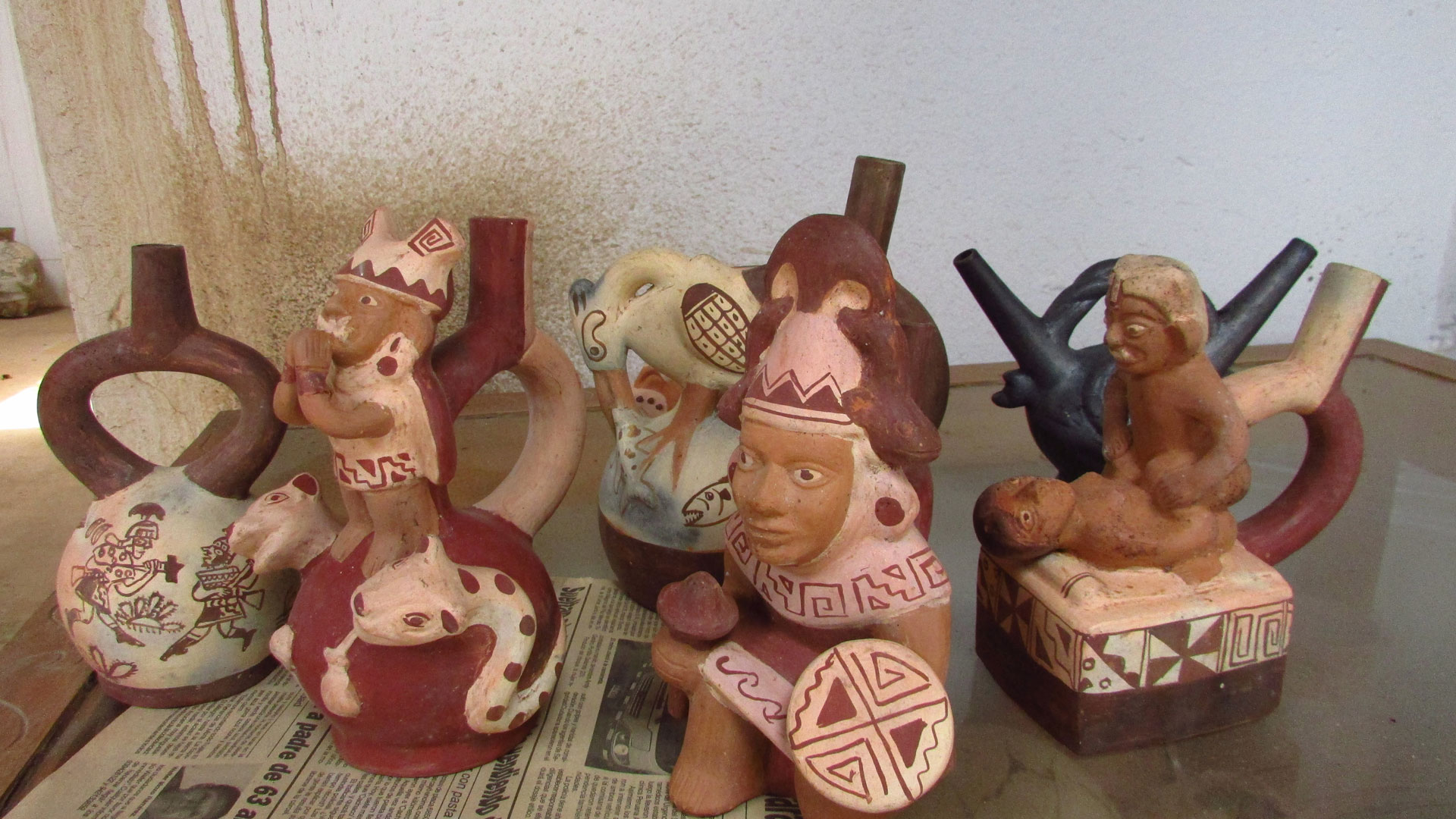
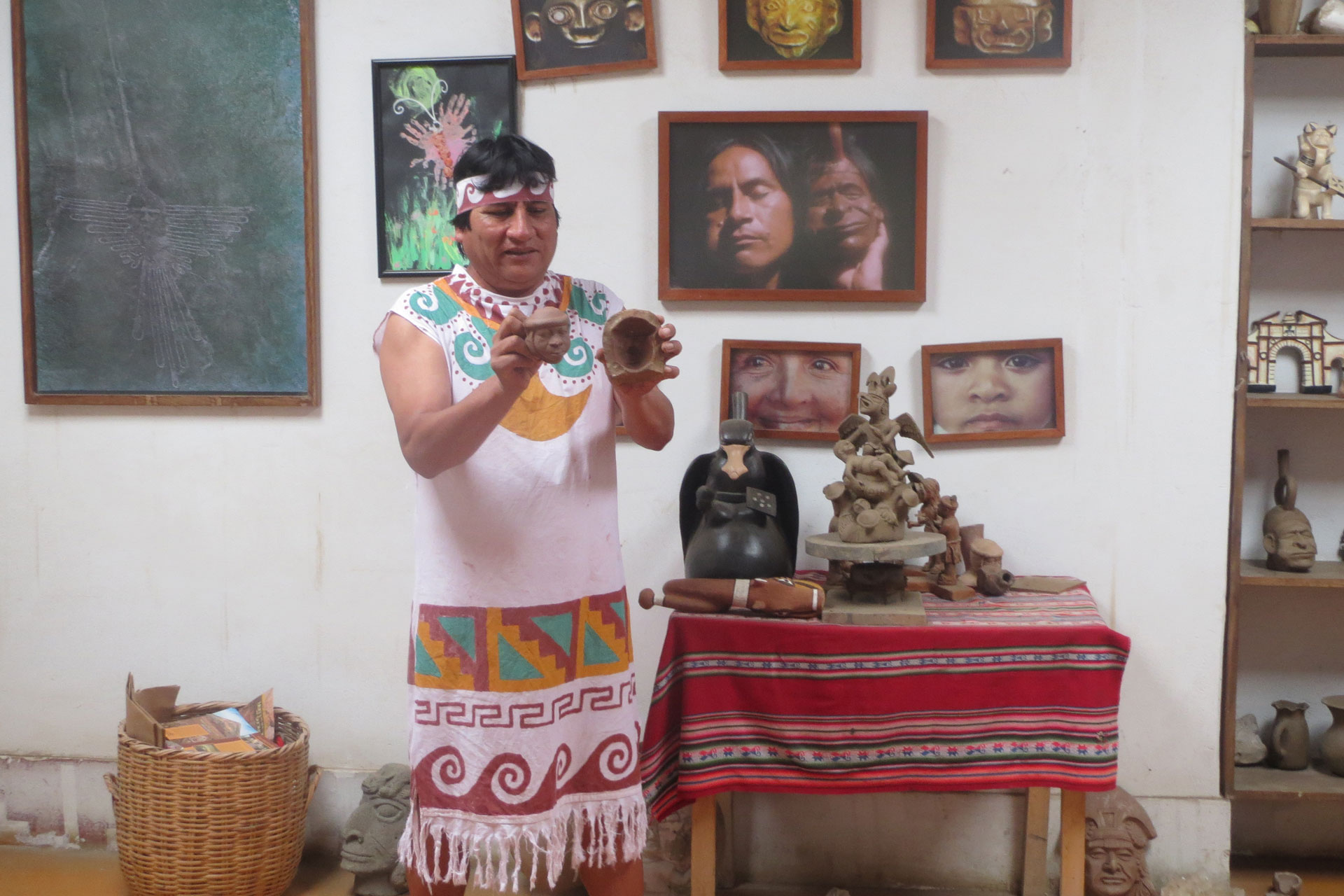
The Garcia brothers are much more than talented potters. They are true researchers and guardians of an artistic tradition over 1,500 years old. Their mission? To bring back to life the sophisticated techniques of the Moche (or Mochica) civilization, which flourished here long before the Incas.
Far removed from mass production, the Garcia brothers work local clay by hand, adhering strictly to original methods:
-
Ancestral Hand-Modeling: They do not use modern potter’s wheels. Every piece is shaped manually or cast using terracotta molds. They craft these molds themselves, exactly as their ancestors did.
-
Natural Pigments: The colors (cream, brick red, ochre) come exclusively from local clays and mineral oxides.
-
Stone Burnishing: To achieve the smooth, glossy finish so characteristic of Moche ceramics, they patiently rub the surface with smooth river stones before firing.
Their work centers on faithfully restoring the Moche worldview (cosmovision). Observing their creations, you will discover striking reproductions of huacos retratos (portrait vessels renowned for their astonishing psychological realism). You will also encounter complex deities like the decapitator god, Ai Apaec, alongside mythological scenes illustrating the duality between the upper world (the sky), the world of the living (the earth), and the underworld (the realm of the dead).
The Song of the Earth: Playing Pre-Columbian Instruments
What makes meeting the Garcia brothers truly magical and unique in Peru is their dual expertise as both potters and musicians. By studying archaeological artifacts recovered from the tombs of Moche dignitaries, they realized that ceramics and music were intimately connected.
This led them to recreate pre-Columbian clay musical instruments from scratch:
-
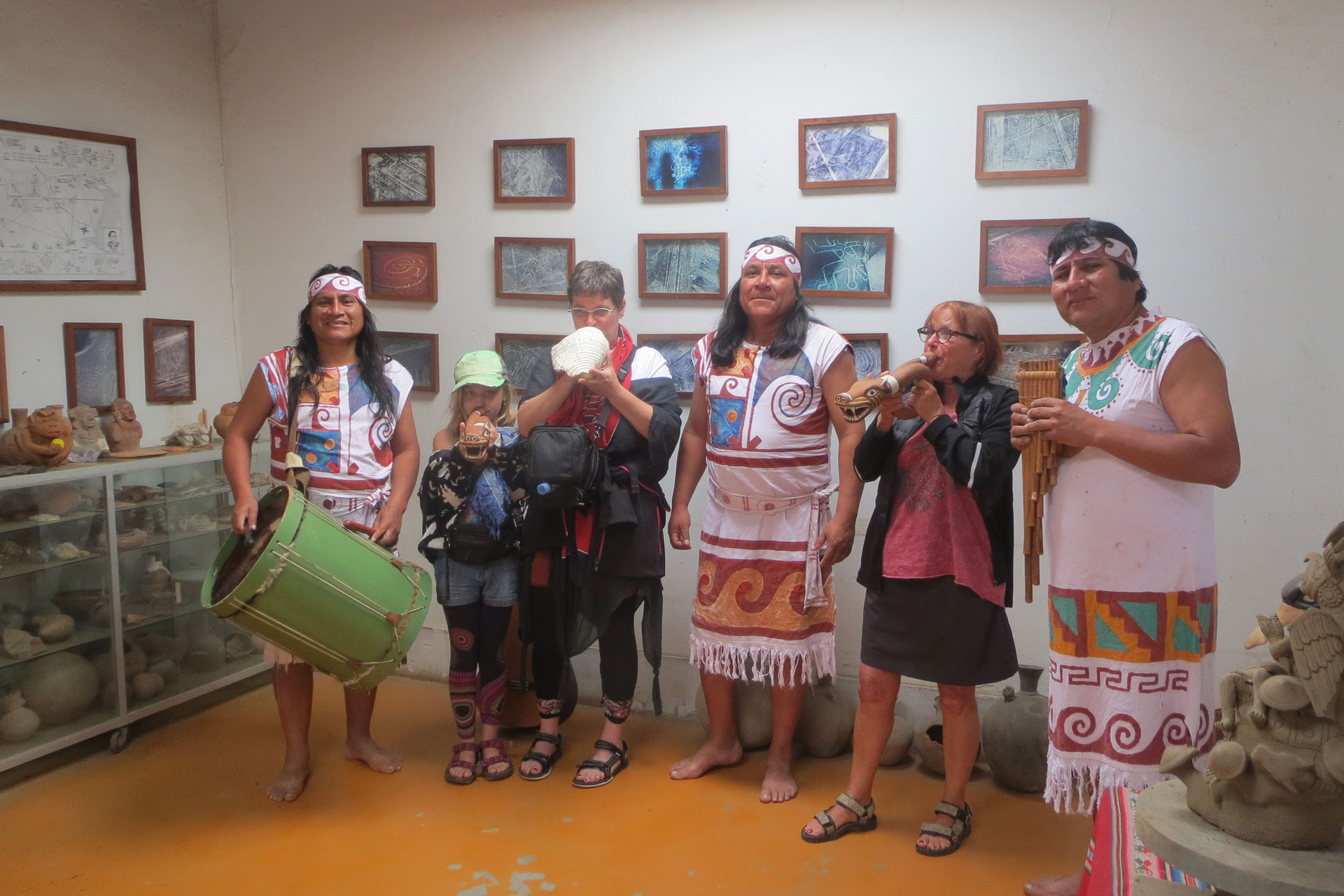
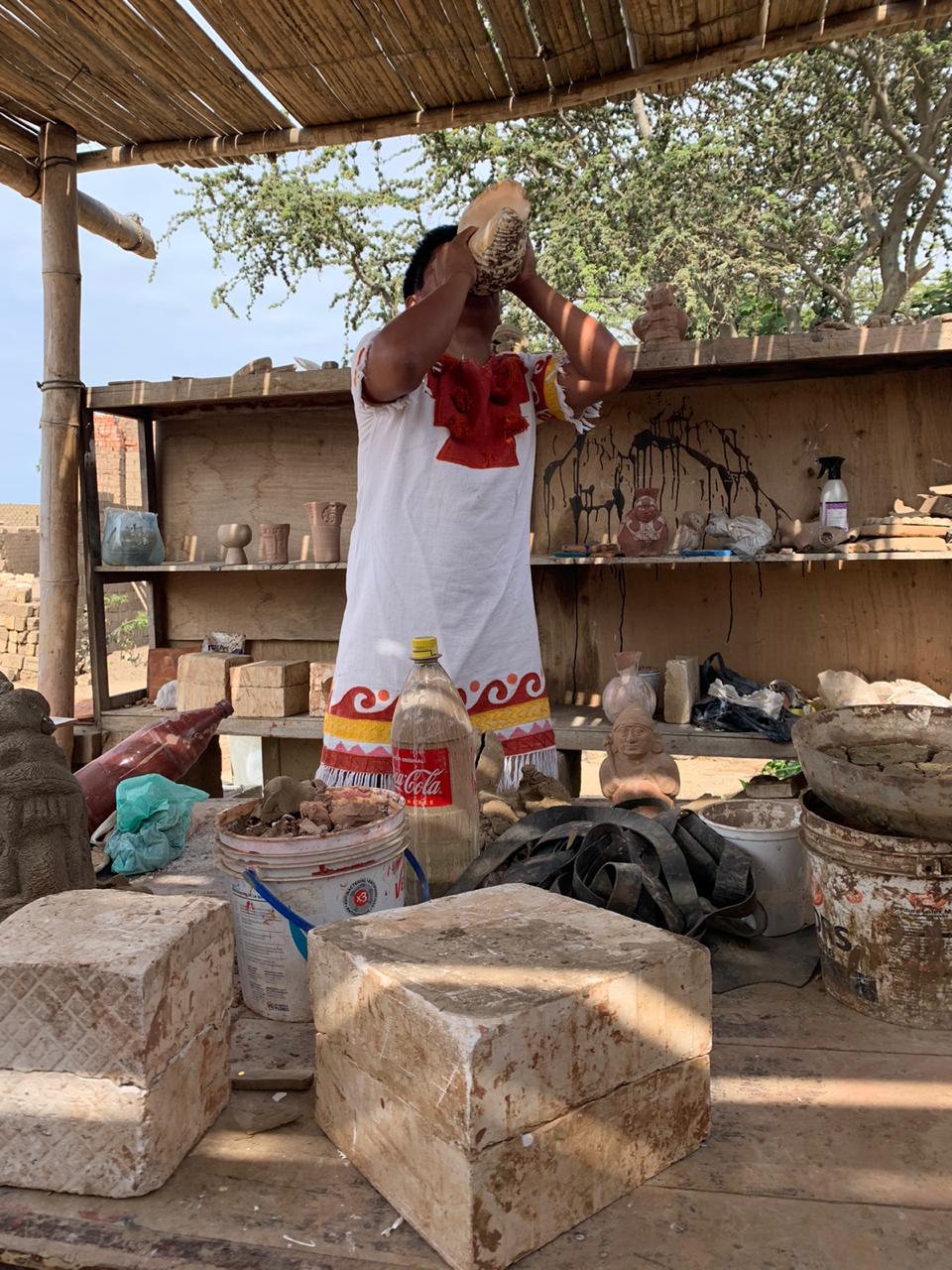
The Tuto (or Ceramic Trumpet): This traditional wind instrument, sculpted in a spiral shape or modeled after mythical animals, produces a deep, powerful sound once used in sacred rituals or to communicate across valleys.
-
Globular Whistles and Double Flutes: Capable of mimicking animal calls from the rainforest or the ocean shore (birds, monkeys, waves).
-
Whistling Vessels: Magical double-chambered vessels that, when filled with water and tilted, force out air to produce a birdsong whistle of breathtaking purity.
During your visit, the Garcia brothers won’t just display their instruments—they will perform for you. Close your eyes and let yourself be transported by the haunting, mystical notes of these earthen instruments. It is an unforgettable sensory experience—a direct bridge to the sacred past of the Moche.
How to Get There and Organize Your Visit
The Hermanos Garcia workshop is located in the Campiña de Moche, just 15 to 20 minutes south of Trujillo. It is an ideal stop to include in your day of archaeological exploration.
The Perfect Day in Trujillo / Moche:
-
Morning: Visit the Huacas del Sol y de la Luna archaeological complex and its impressive site museum.
-
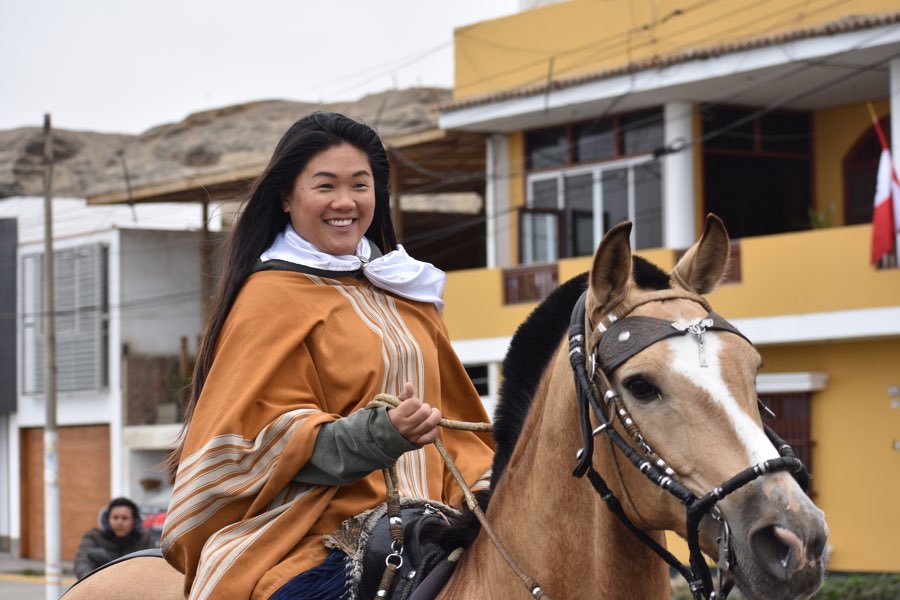
Lunch: Enjoy a meal at one of the rustic country restaurants in the Campiña de Moche to sample the famous Sopa Teóloga (a traditional Moche dish made with turkey and bread) or a delicious Cabrito (kid goat stew). You might want to combine lunch with a typical Caballo de Paso show !
-
Afternoon: Stop by the Hermanos Garcia workshop for a pottery demonstration and musical session.
Getting There:
-
By Public Transport: From downtown Trujillo, take a colectivo or bus heading toward Huacas de Moche, then ask to be dropped off in the Campiña near the workshop. Note: The brothers are not always present.
-
With Phima Voyages: We integrate this extraordinary experience directly into your private itinerary. Accompanied by your English-speaking guide, you will enjoy the brothers’ passionate explanations of their craft and music first-hand.