

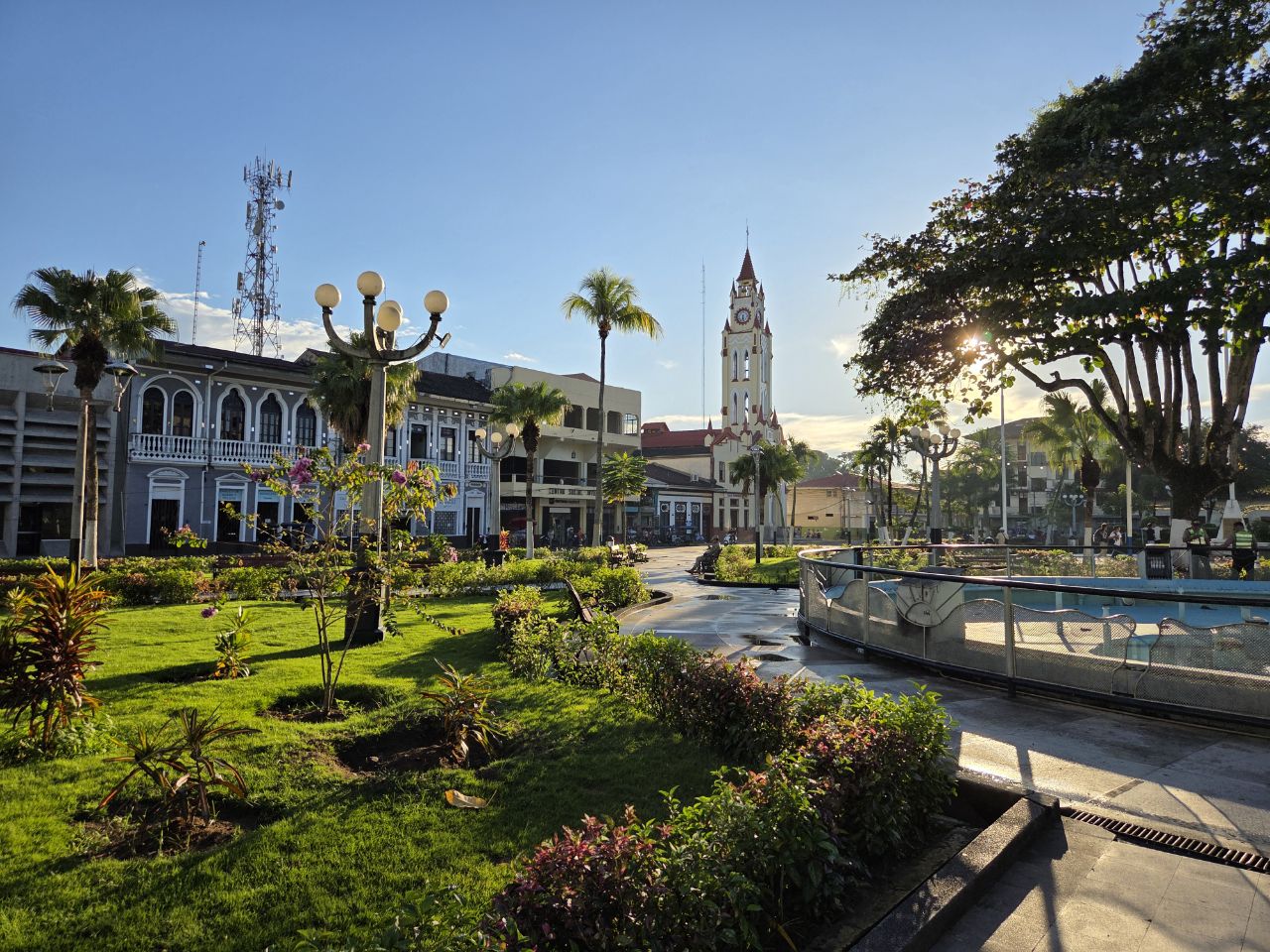
Iquitos: The Tropical Adventure at the Gateway to the Peruvian Amazon
Nestled in the heart of the jungle, Iquitos is a fascinating geographical anomaly. Its primary uniqueness becomes glaringly obvious as soon as you look at a map. It is the largest metropolis on the planet that is completely inaccessible by road. To reach it, travelers have only two options. Take a short flight from Lima or navigate for several days along the Amazonian rivers. This land isolation endows it with a unique atmosphere—vibrant, mysterious, and resolutely authentic.
Arriving in Iquitos: Thermal Shock and the Great Swarm
From the moment you step off the plane or boat, the Iquitos experience begins with a true sensory shock. The first thing that grips you is a heavy, moist, and enveloping heat. Here, the tropical climate never abates. The humidity immediately reminds you that the rainforest stretches for thousands of miles all around.
Hardly have you passed through the airport doors than you plunge into a whirlwind of life and energy. It is a world that swarms, shouts, and laughs. Silence does not exist in Iquitos. The soundscape is instantly saturated by the relentless hum of thousands of mototaxis—colorfully painted motorized tricycles that reign supreme as kings of the road. Cumbia or chicha music echoes from shopfronts, crowds are dense, and street markets spill over onto sidewalks. This almost chaotic effervescence gives you the feeling of landing in another world, a million miles away from the Andean rigor.
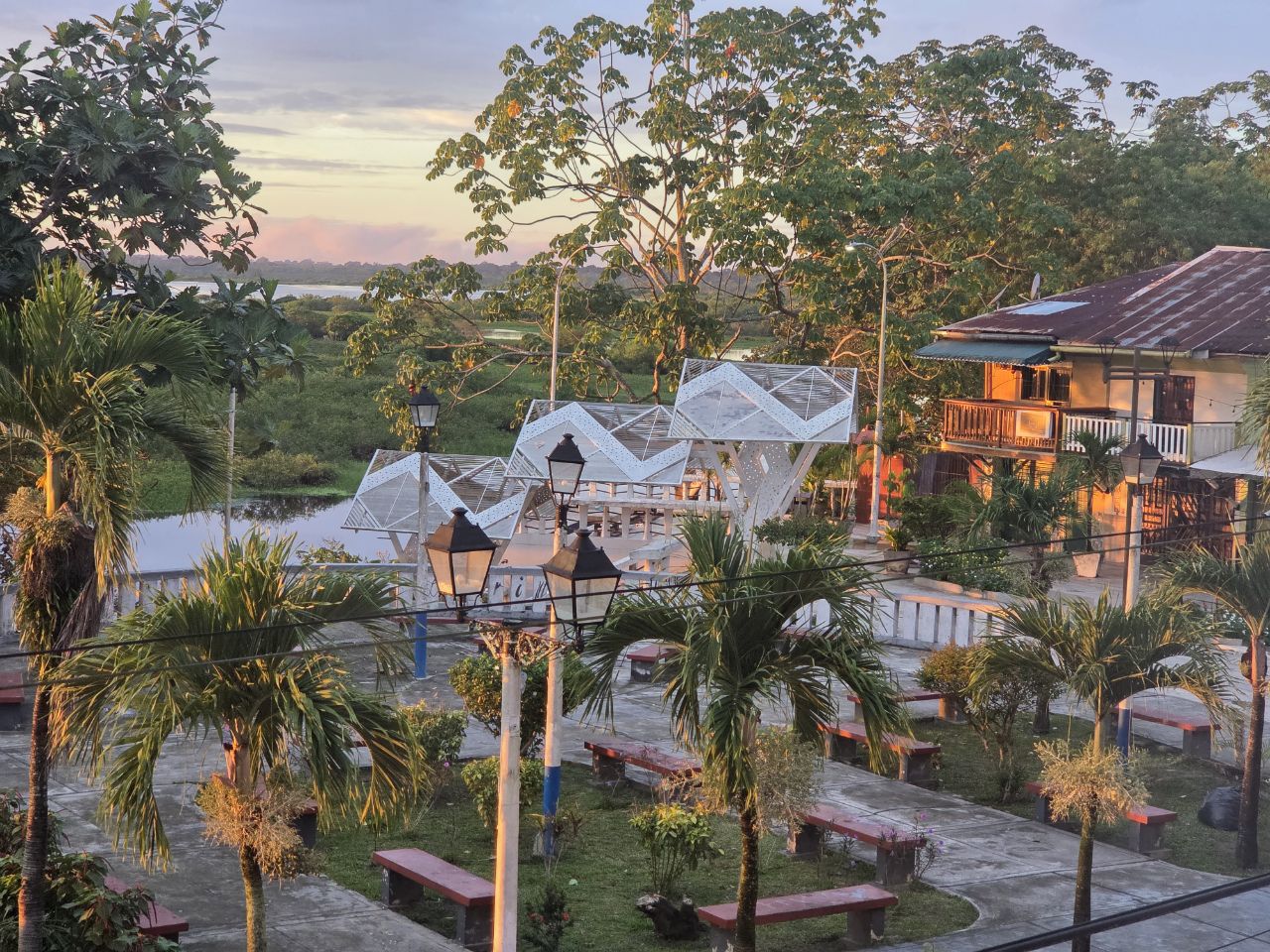
The Architecture of Iquitos: From Rubber Boom Splendor to Houses on Stilts
The architectural style of Iquitos single-handedly tells the city’s contrasting history. Here, you witness a fascinating duality between the remnants of past European opulence and ingenious adaptations to riverine life.
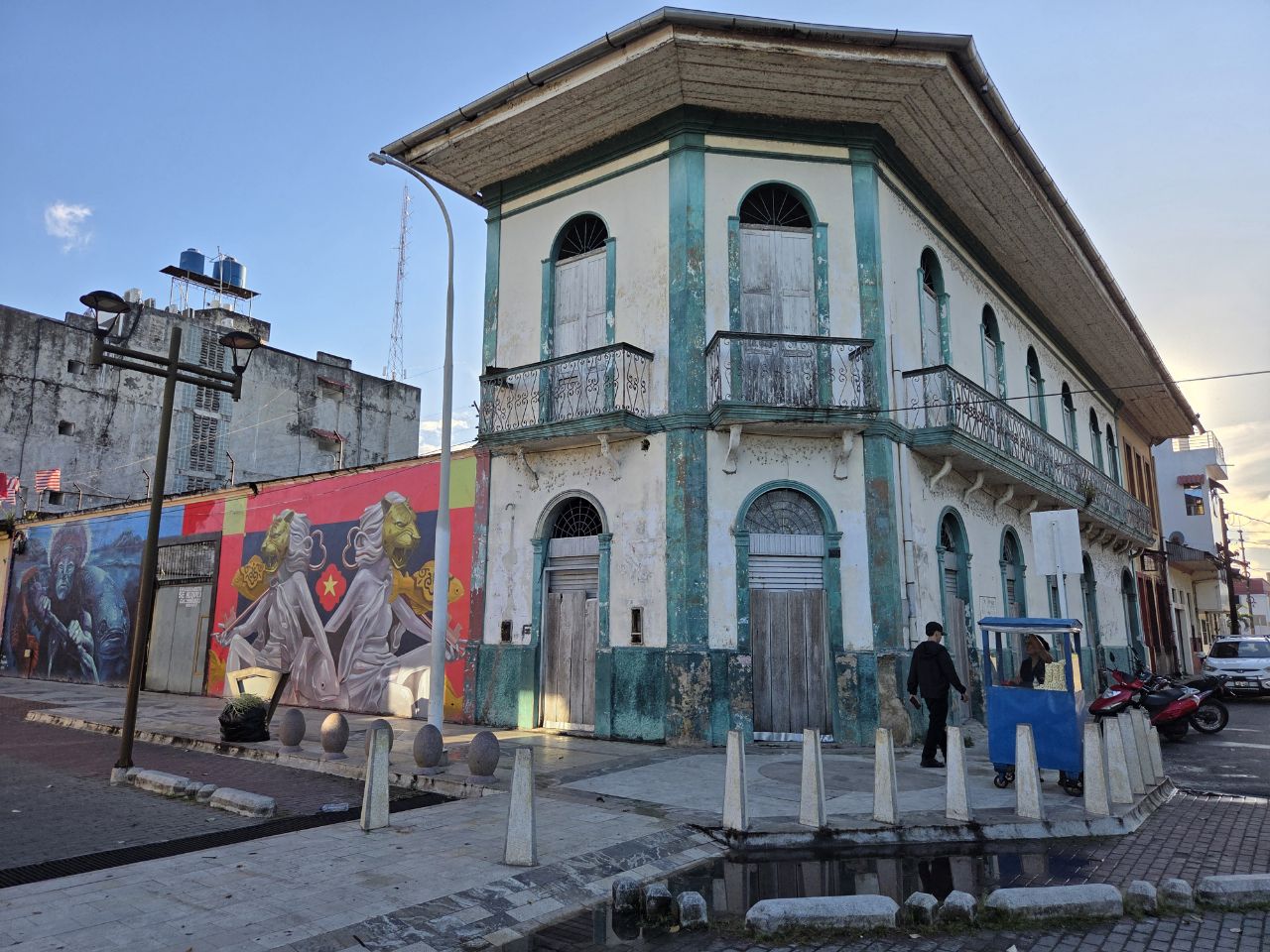
The Flamboyant Legacy of the Rubber Boom: In the late 19th century, Iquitos experienced insolent wealth thanks to rubber exploitation. Desperate to display their fortunes, the rubber barons of the era built European-inspired mansions along the riverfront on Malecón Tarapacá. These residences are recognizable by their stunning facades adorned with azulejos (glazed ceramic tiles) imported directly from Portugal and Italy. It was in this atmosphere of grandiosity that the famous Iron House (Casa de Fierro) was born. A metal structure designed entirely by Gustave Eiffel’s workshops. It was purchased in Paris, transported piece by piece by ship across the Atlantic and up the Amazon River, and reassembled right in the middle of the jungle.
The Belén District and Water Architecture: At the opposite end of this colonial splendor lies the Belén district, often nicknamed the “Venice of the Amazon.” Here, architecture bows to the whims of the river. Houses are built in two ways. Either perched on high raw-wood stilts or constructed on balsa-wood rafts that float and rise along with the water levels during the rainy season. It is a unique way of life where streets turn into canals and grocery shopping is done by canoe.
The Starting Point to Explore the Great Green Lungs
After taking in the city’s energy and visiting its must-see spots (such as the Belén market with its shamanic remedies or the Manatee Rescue Center), Iquitos fades away to make room for pure adventure. It is the ideal launchpad to immerse yourself in the deep jungle, where the Amazon expands into all its majesty.
Two main options are available to explore the region’s legendary biodiversity:
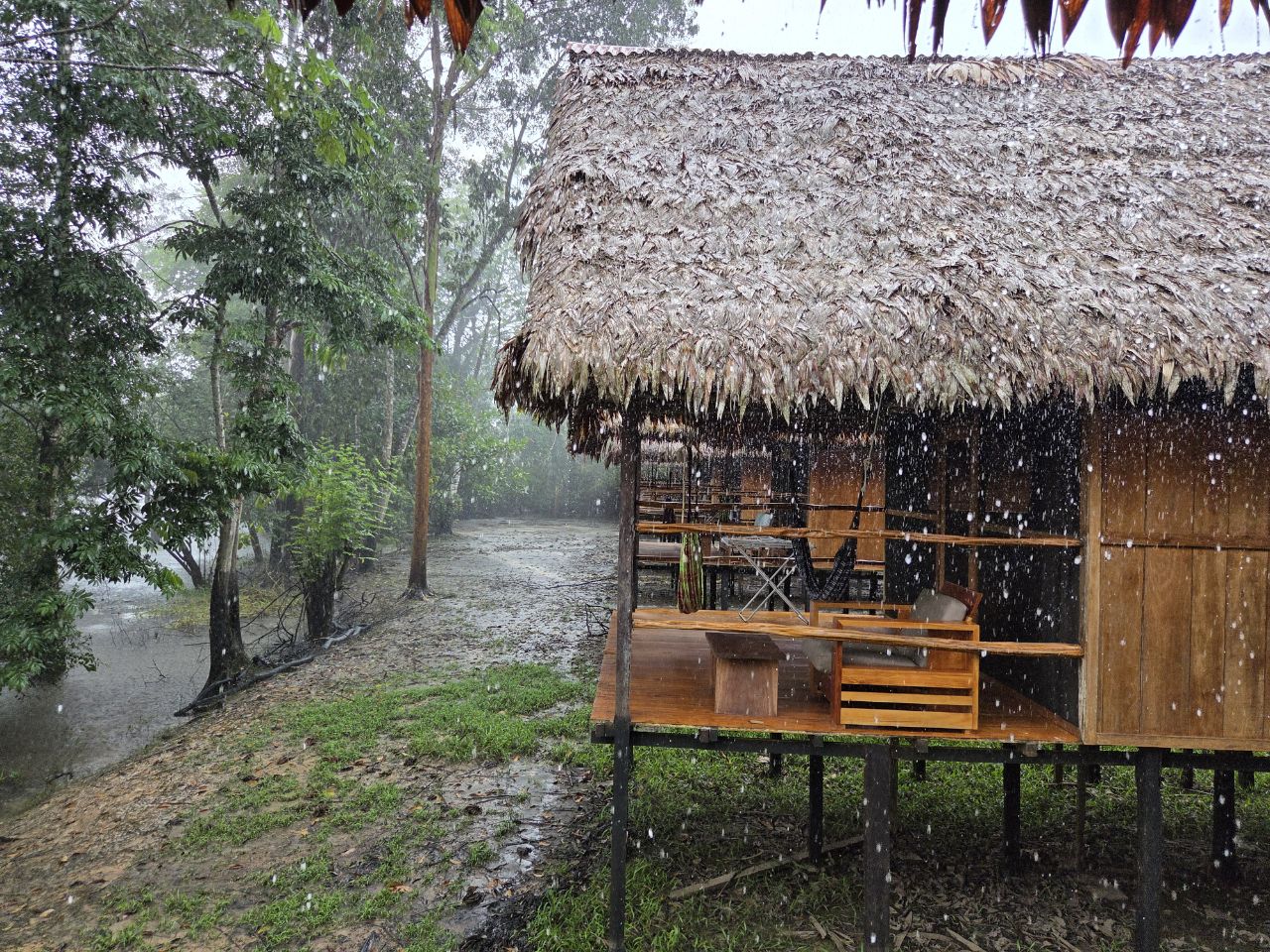
Option 1: Nature Immersion in an Ecolodge
For those who love having their feet on the ground and falling asleep to the sounds of the jungle, ecolodges are perfect. Located a few hours’ boat ride from Iquitos, they are often set along the borders of protected national reserves, such as the famous Pacaya Samiria. Built from local timber, these ecolodges blend seamlessly into the environment. From your base, you will venture out daily on day and night walks, encountering monkeys, sloths, and colorful frogs. During canoe excursions, you might even spot pink river dolphins.
Option 2: Itinerant Comfort on an Amazon River Cruise
If you prefer to watch the rainforest slide by from the deck of a boat, an Amazon cruise is a magical experience. Ranging from intimate traditional vessels to ultra-luxury ships equipped with floor-to-ceiling windows, these cruises sail down the Amazon and its tributaries. It is the ultimate way to reach extremely remote areas and observe wildlife in total comfort, while enjoying expert lectures and daily skiff excursions through narrow, mysterious jungle creeks.
How to reach Iquitos, the River Island?
Since no roads link it to the rest of the world, arriving in Iquitos is an integral part of the adventure itself. The fastest and most comfortable way is undoubtedly by air. There are several daily flights connecting Lima Airport to Iquitos in under two hours.
For long-term travelers and souls seeking complete immersion, the riverway offers a memorable alternative. You can board a lancha—traditional two- or three-deck riverboats—from the ports of Pucallpa or Yurimaguas. You will set sail for a 3- to 5-day journey following the river’s current. It is a unique opportunity to share daily life with locals (you won’t find many foreign tourists) and watch the jungle thicken along the water’s edge.
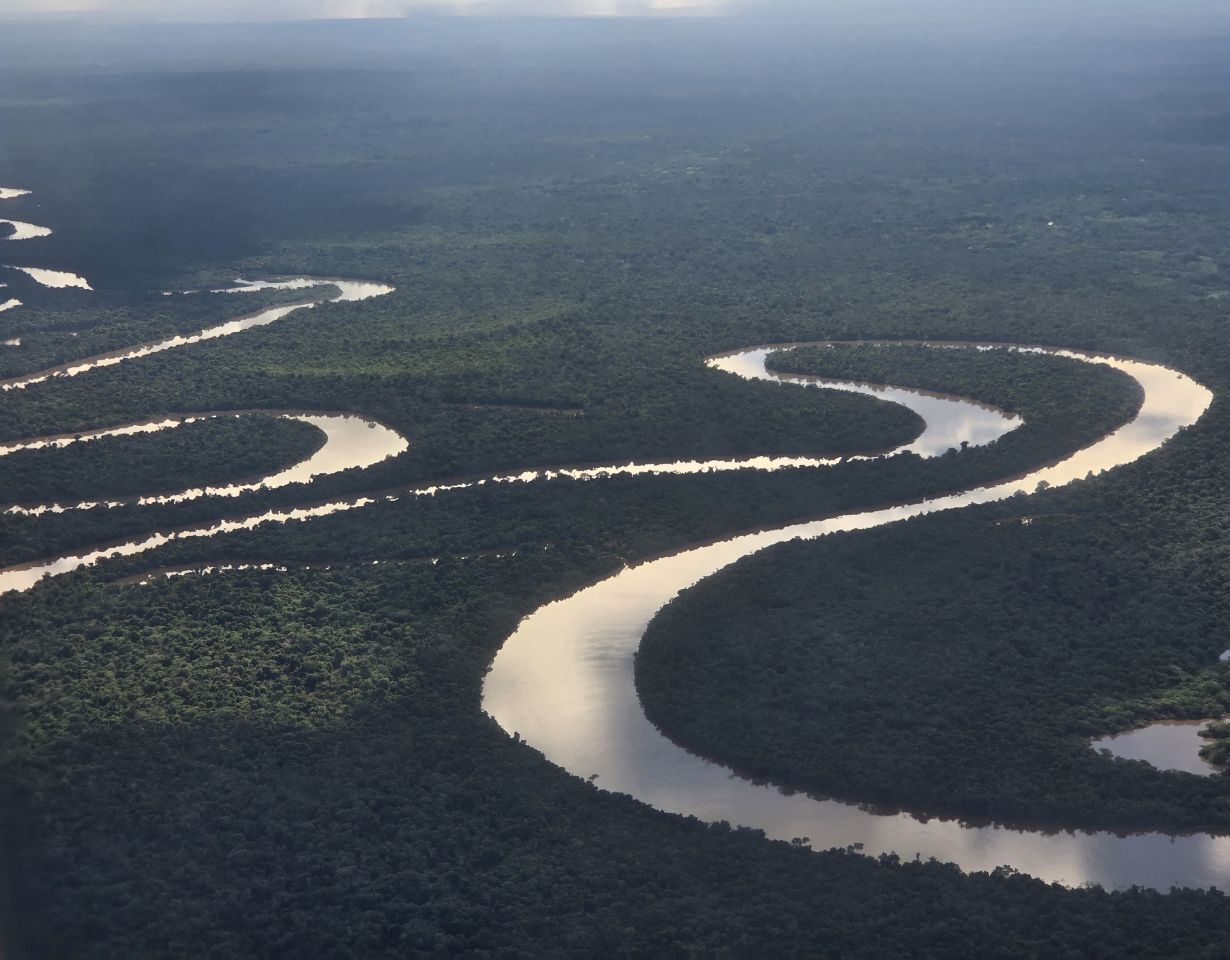
Iquitos is a raw, unforgettable experience. An essential gateway that shakes up your senses before you enter the serenity of the deep forest. Whether you choose the comfort of a luxury cruise or the authenticity of an ecolodge, the adventure begins the moment your plane soars over this infinite green carpet woven by silver rivers.
Contact us to incorporate this magical, contrasting part into your tailor-made journey to Peru.