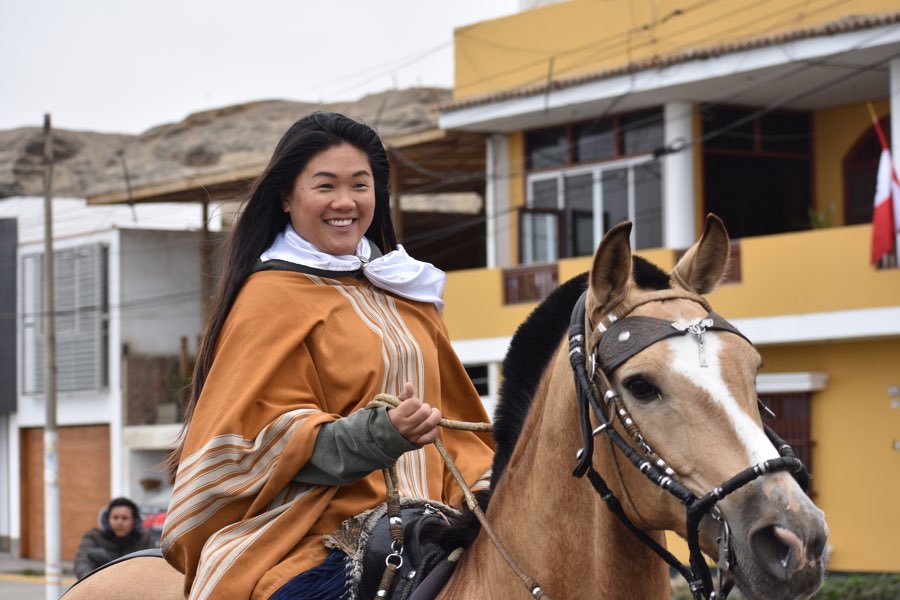

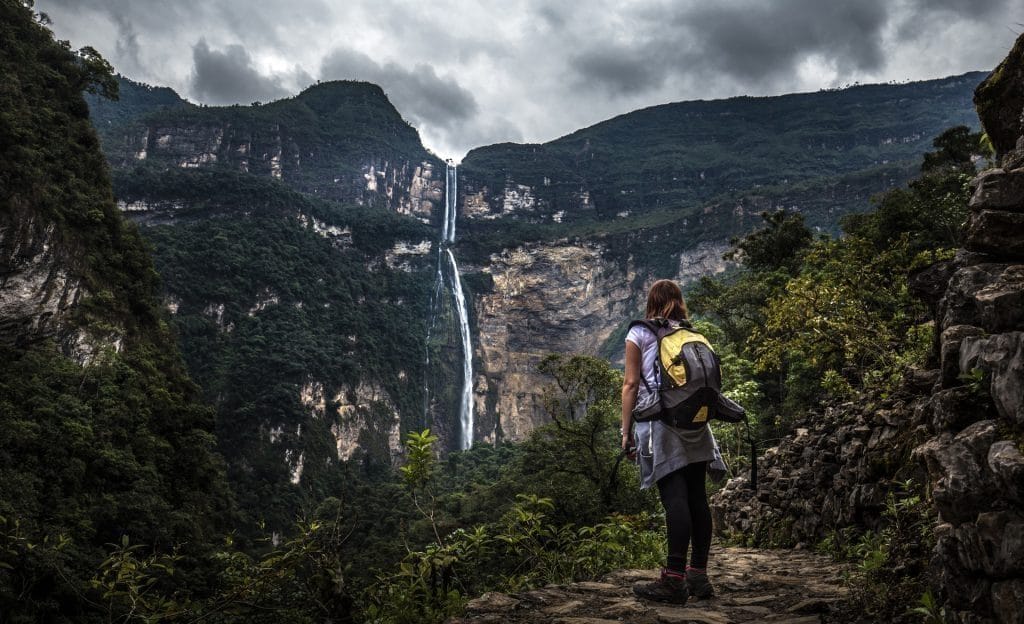
Northern Peru hides treasures that, just fifteen years ago, didn’t appear on any tourist map. Among them are the village of Cocachimba and the majestic Gocta Waterfall.
A Transformation Powered by the “Eternal Fall”
For decades, the inhabitants of Cocachimba lived alongside one of the world’s tallest waterfalls without realizing its global significance. Since the official “rediscovery” of Gocta Falls in 2006 by German explorer Stefan Ziemendorff, the village has undergone a decisive transformation.
Once off the beaten path, Cocachimba quickly put itself on the map, drawing travelers from around the world to admire one of the highest waterfalls on Earth, cascading down an impressive 771 meters (2,530 feet).
Over the past decade, investment in Cocachimba has accelerated dramatically:
Public Investment: Trail improvements, enhanced access infrastructure, and environmental awareness programs to preserve local biodiversity.
Private Investment: The rise of boutique lodges, high-end eco-lodges, and farm-to-table restaurants highlighting local produce like organic coffee, cacao, and tropical fruits.
The local economy is now structured around a cooperative of local guides and tourism services, ensuring that benefits flow directly back into the community’s families.
Today, Cocachimba is a full-fledged travel destination in its own right—not merely a quick stopover for those visiting Gocta. It stands as a model of dynamic, community-based tourism in Northern Peru, striking a perfect balance between modern comfort and authentic rural life, while successfully transitioning toward sustainable travel.
Cocachimba: Altitude & Climate
Located at approximately 1,800 meters (5,900 feet) above sea level in the Bongará Province of the Amazonas Region, Cocachimba enjoys a mild subtropical mountain climate. Temperatures remain comfortable year-round, ranging between 12°C and 25°C (54°F to 77°F) depending on the season and time of day.
Mornings are often misty, afternoons sunny, and nights cool—ideal for a restful night’s sleep. Because the village sits on the edge of the cloud forest, humidity is high, nurturing the region’s lush green landscapes.
When is the best time to visit Cocachimba and Gocta?
Dry Season (May to October): Characterized by lower rainfall and clear skies, this is the best time for hiking to Gocta Falls. The trade-off is that toward the end of the dry season, the water volume of the falls can be lower.
Rainy Season (November to April): Showers are more frequent and can be intense in the late afternoon, though rarely continuous.
Pro Tip: Even in the dry season, always pack a waterproof rain jacket and sturdy, slip-resistant hiking shoes, as trail conditions in the cloud forest can stay damp year-round.
Top Things to Do in Cocachimba
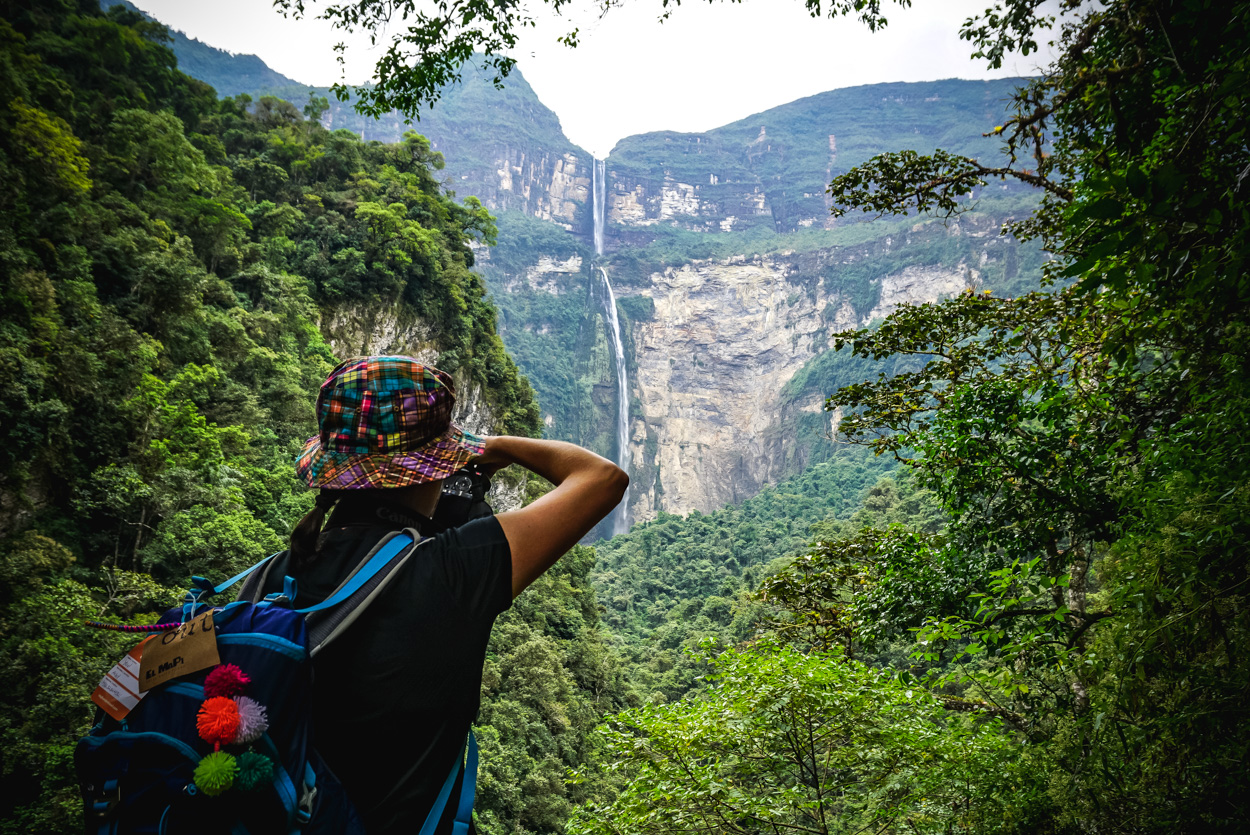
1. Gocta Waterfall Hike
Duration & Difficulty: 5 to 6 hours round-trip (approx. 11 km / 6.8 miles) | Category: Challenging (due to elevation gain and uneven terrain).
The trail begins among local sugarcane fields before entering dense cloud forest. Setting out early in the morning offers a great chance to spot Peru’s national bird, the Andean Cock-of-the-rock (Gallito de las Rocas), as well as the vibrant Emerald Toucanet.
Horses (with local handlers) can be hired for the first 3 kilometers of the trail; however, the remaining 45-minute trek to the base of the falls must be completed on foot.
2. Refugio de los Colibríes (Hummingbird Sanctuary)
Around 5:00 PM, head toward the entrance of the village to visit the Refugio de los Colibríes. At dusk, you stand a high chance of spotting the famous Marvelous Spatuletail (Cola de Espátula). An extraordinary hummingbird species with two racquet-shaped tail feathers, endemic to the Amazonas region.
3. “Juanes Cocachimbena” Cooking Class at GoctaLab
Duration: 3 hours (plus lunch)
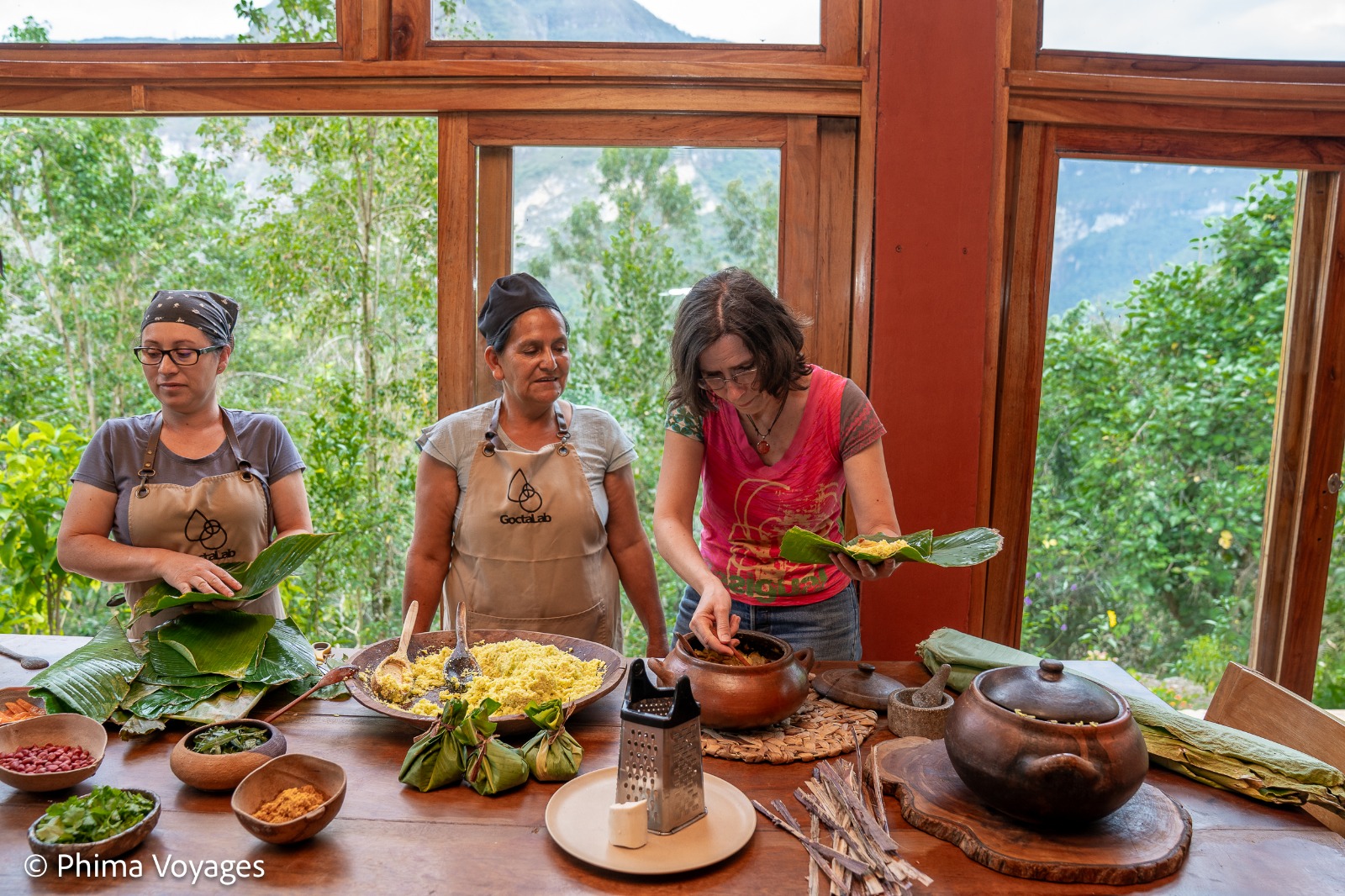
Participate in an interactive cooking workshop at GoctaLab. Set in an airy space with sweeping views of the waterfall, you will learn the authentic recipe for Juane, a traditional Amazonian specialty. Grind fresh herbs for the marinade using a traditional stone mortar (batán), mix the rice, and wrap the parcels in bijao leaves before cooking and savoring your meal.
4. Specialty Coffee Tasting
Duration: 2 hours
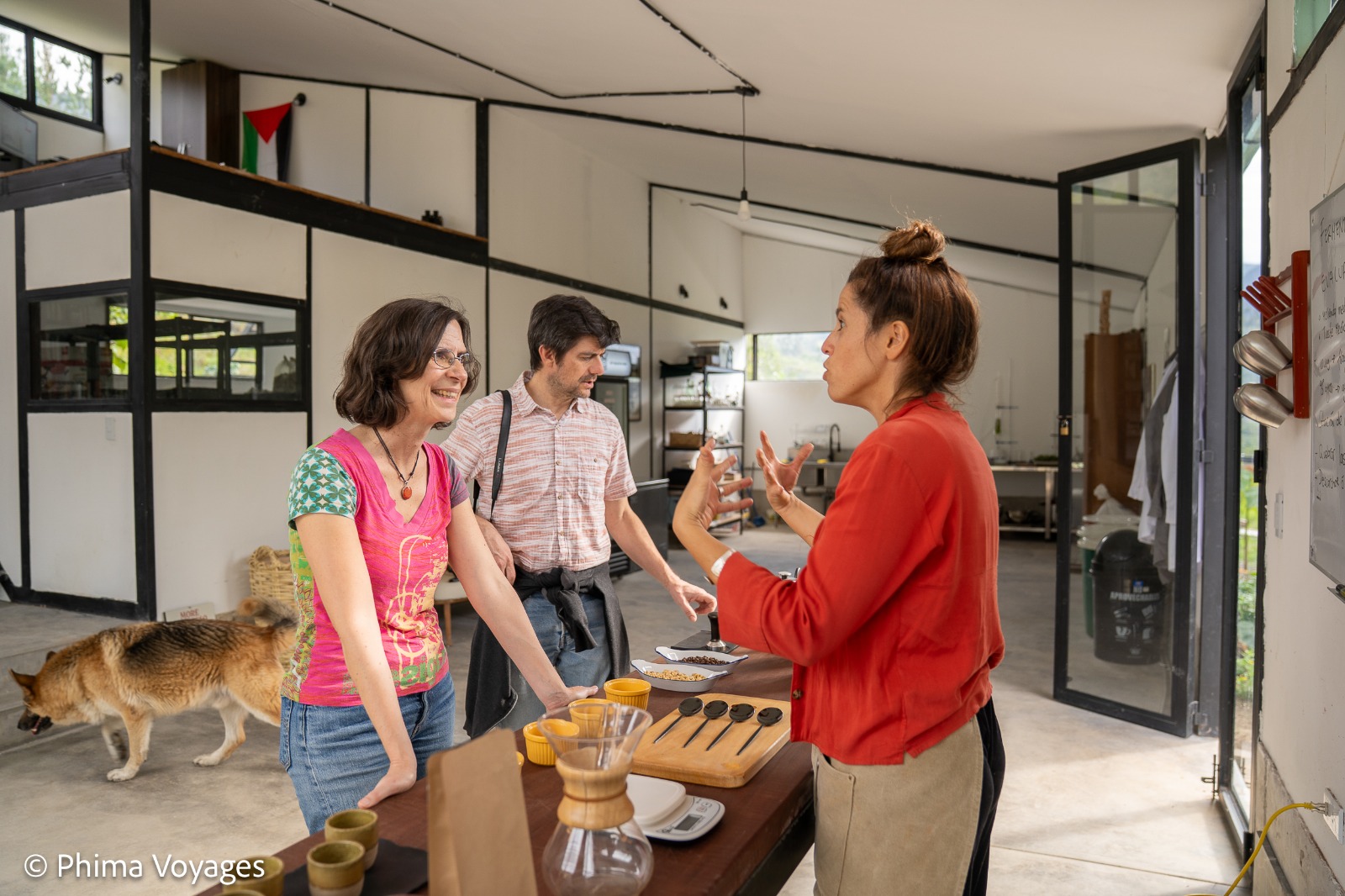
Also hosted at GoctaLab, this introductory coffee cupping session guides you through local bean varieties, processing methods, and brewing styles to help you identify subtle regional flavor notes.
5. Traditional Textile Workshops
Duration: 2 hours
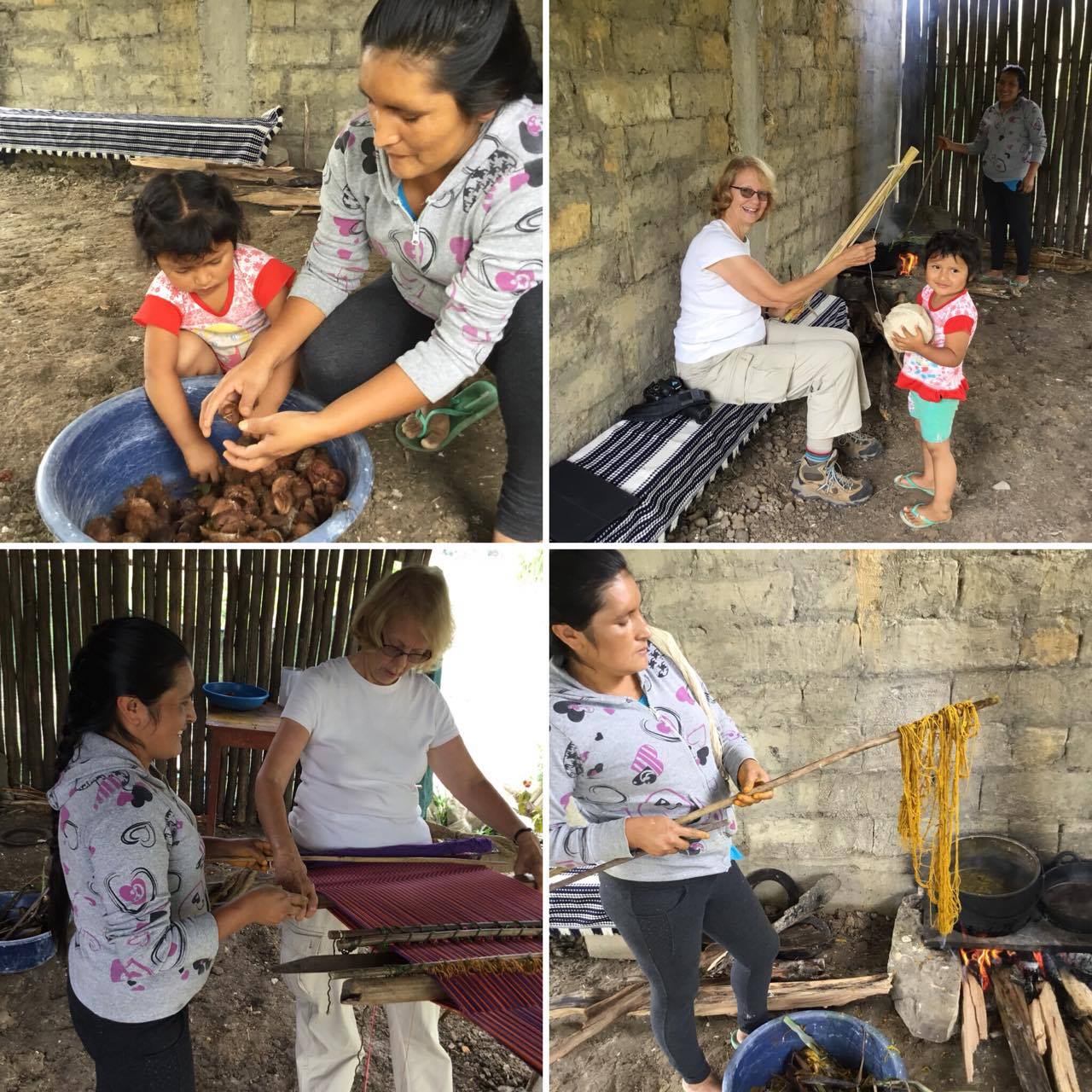
Meet local women weavers using ancestral techniques passed down through generations to create intricate handwoven textiles.
Where to Stay in Cocachimba
Travelers exploring Gocta Waterfall usually choose to stay in Cocachimba itself. Thanks to thoughtful eco-minded investments, accommodation options are varied and high quality.
Most lodges feature direct views of the waterfall right from your bed or private terrace. Your backdrop: mist rising over the cloud forest and the distant roar of “La Chorrera” (the local nickname for Gocta).
Note: Except for Gocta Lodge, most accommodations listed below are located a short walk outside the village center (approx. 10 minutes to the main square and its restaurants). In exchange, you enjoy peaceful surroundings, pure nature, and panoramic views. Each lodge offers its own on-site restaurant service.
Gocta Natura Cabins
Located about 500 meters from the Plaza de Armas, Gocta Natura is a certified B Corp, recognizing its exemplary social and environmental commitment. Owned by Rocío, it features spacious, elegant wooden bungalows nestled in a blooming garden with unobstructed views of Gocta. Perfect for travelers seeking an intimate, boutique atmosphere immersed in nature.
GoctaLab
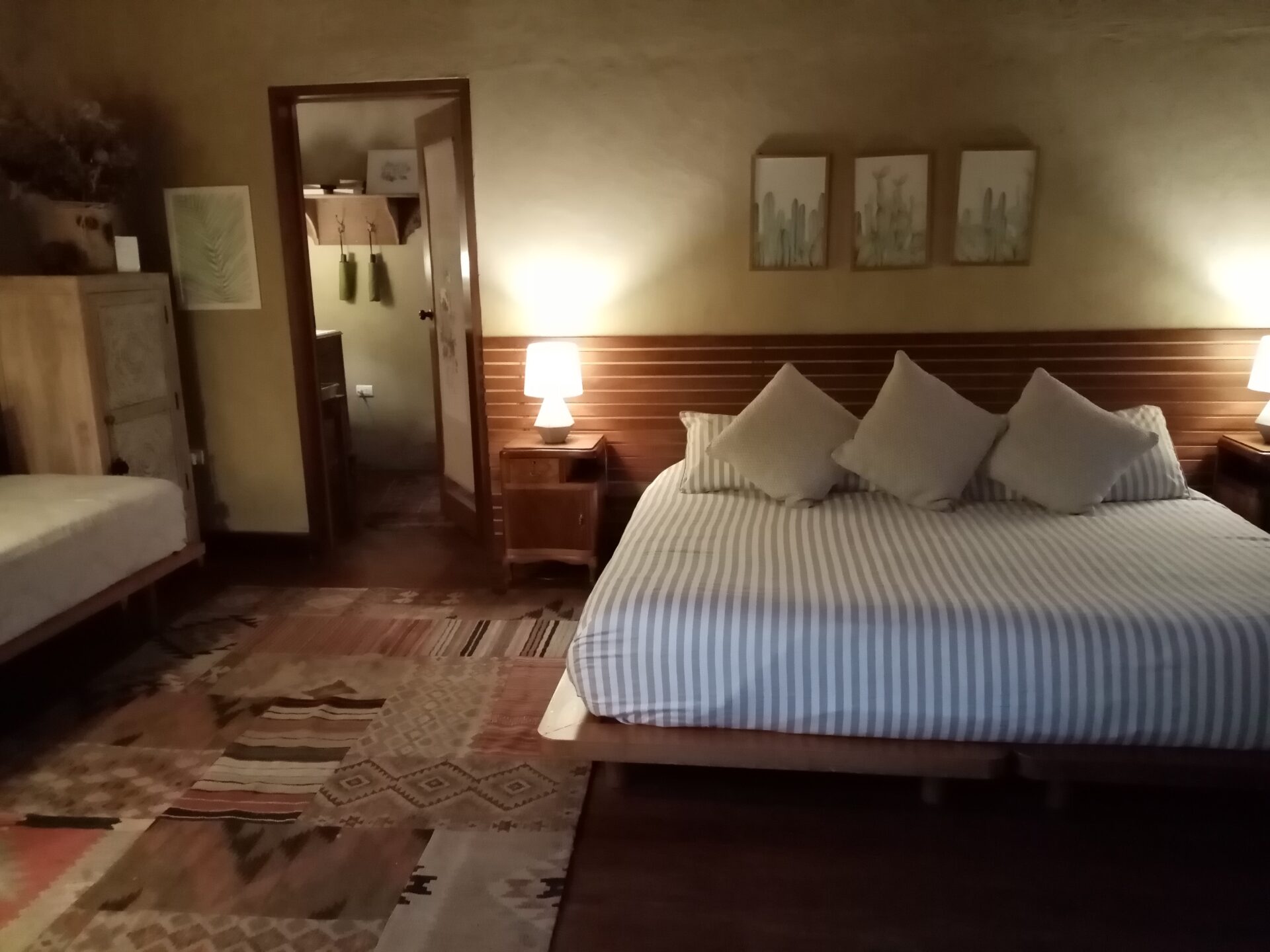
Situated 500 meters (a 7-8 minute walk) from the square along a path, GoctaLab is an innovative space combining architectural design, permaculture, and eco-hospitality. Run by Gianna and Sergio, every detail is crafted to inspire, educate, and connect guests with nature.
Gocta Lodge
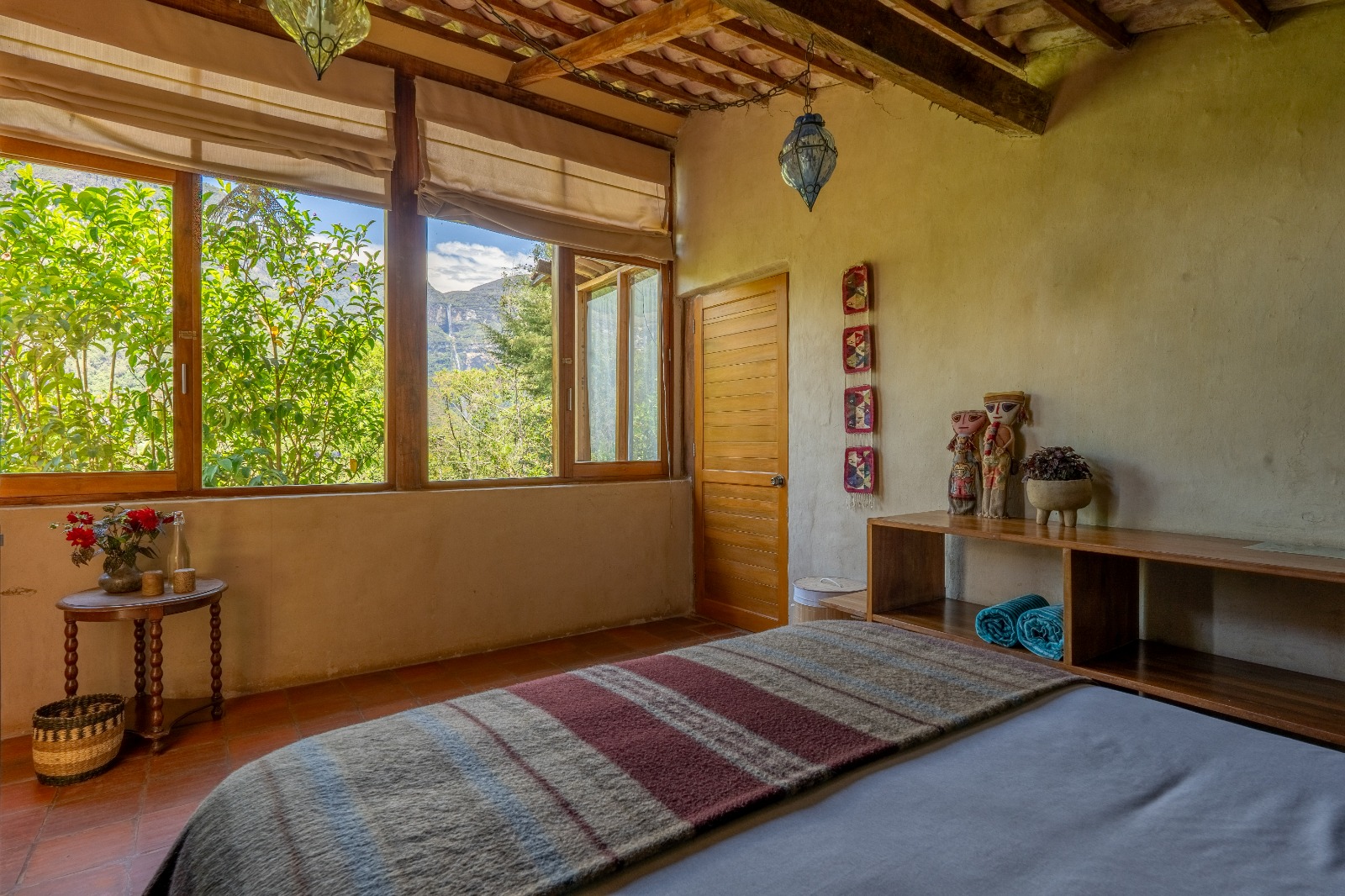
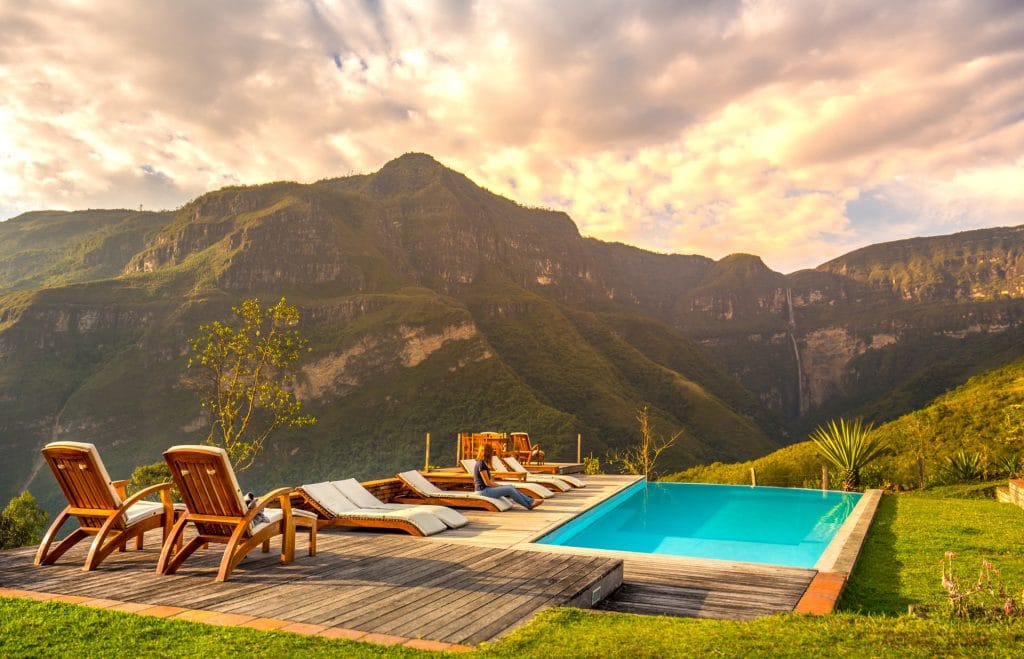
Located just a 4-minute walk from the main plaza, Gocta Lodge is the largest property in the village. Famous for its infinity pool overlooking the falls, it features an on-site restaurant and cozy rooms with private balconies facing the valley. Certified by TourCert for sustainable practices, it is a fantastic choice for families or travelers who want comprehensive amenities on-site.
Mamaq Tambo Lodge
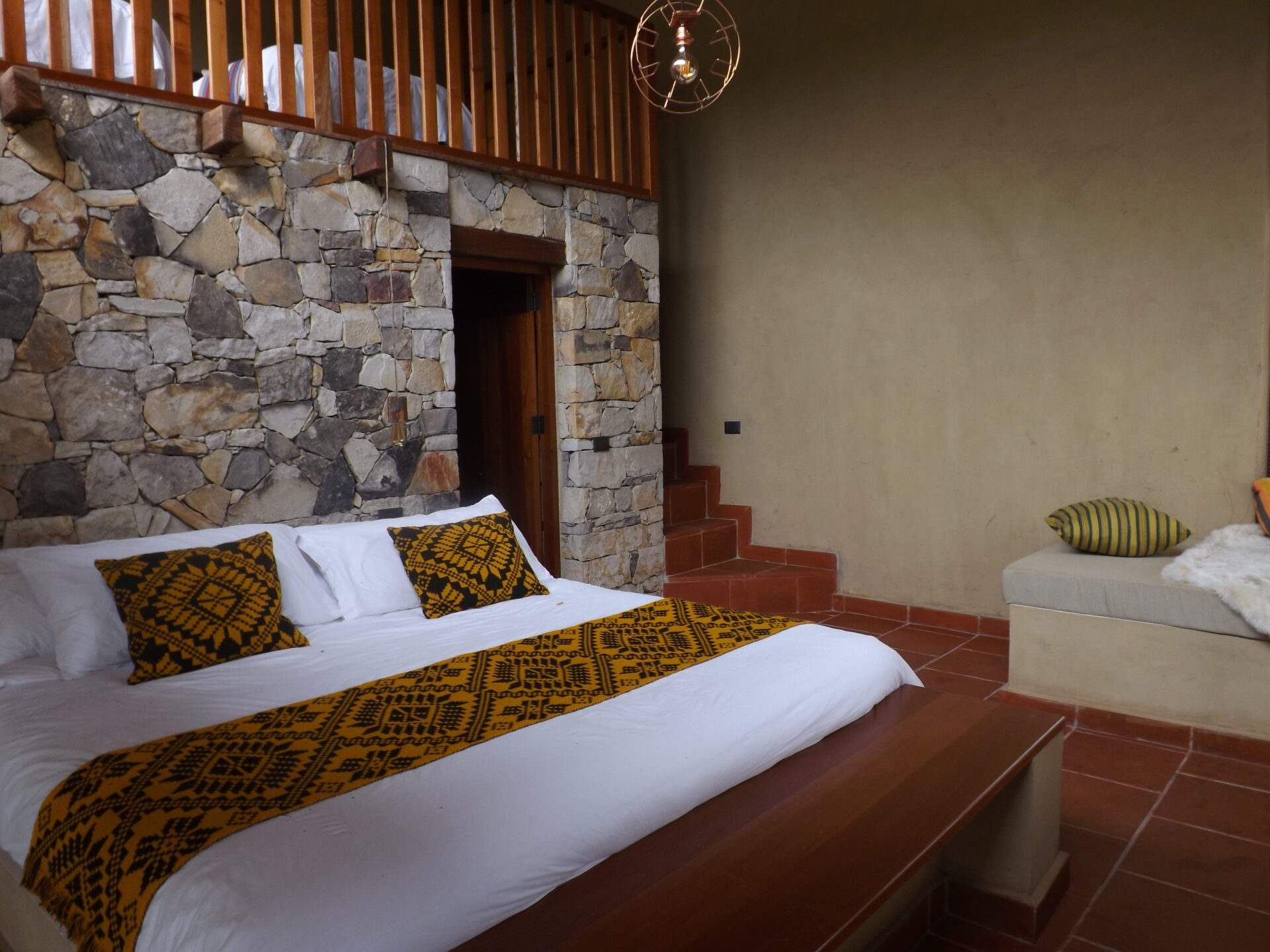
A charming eco-lodge located approximately 550 meters (a 10-minute uphill walk) above the village plaza. With only a few rustic-chic rooms made from natural materials, Mamaq Tambo offers a warm, family-like atmosphere. Founders Carmen and Francesco focus on homemade cuisine and sharing local culture with deep respect for the environment.
Exploring Nearby Day Trips from Cocachimba
Cocachimba serves as an ideal base for multi-day stays. From there you can explore the top highlights of Northern Peru on daily excursions:
Kuélap Fortress (via Nuevo Tingo): Located just 1.5 hours away, the village of Nuevo Tingo is the starting point for the cable car leading to the majestic fortress of Kuelap, often celebrated as the “Machu Picchu of the North.” Sitting at 1,800 meters, this ancient Chachapoyas stronghold offers incredible history and panoramic mountain views.
Sarcophagi of Karajia (via Lámud): A 1-hour drive brings you to Lámud (2,300 m), followed by another hour to Cruz Pata, the trailhead for the famous Sarcophagi of Karajia. These impressive, anthropomorphic funerary statues perched high on cliff faces remain one of the region’s most iconic archaeological mysteries.
Chachapoyas: Situated 1 hour from Cocachimba at an elevation of 2,335 meters, the regional capital is perfect for a cultural day trip. Stroll through its historic center to admire fine colonial architecture, vibrant plazas, and cozy local cafes.
Yumbilla Waterfall (via Cuispes): Just 1 hour away lies the quiet village of Cuispes (1,900 m), the gateway to Yumbilla Waterfall—an astonishing cascade measuring 896 meters. The cloud forest hike to Yumbilla is slightly easier than Gocta. In addition, it takes you past several breathtaking waterfalls along the trail.
Practical Travel Information: How to Get There
Flying to Chachapoyas from Lima
Direct flights between Lima and Chachapoyas are operated regularly by ATSA Airlines.
Traveler Caution: Flights can occasionally be delayed or canceled due to mountain weather and limited airport guidance instruments. Always build a buffer day into your travel schedule.
How to Travel from Chachapoyas to Cocachimba
By Private Transfer (Recommended): The smoothest, most flexible option taking around 1 hour to 1 hour 15 minutes along a paved mountain road.
By Local Colectivo (Budget Option): Take a shared minivan bound for Pedro Ruiz, disembark at Cruce de Cocachimba, and take a 15–20 minute mototaxi ride up to the village.
Expert Recommendation: Plan your arrival for the late afternoon. This allows you to check into your lodge, enjoy a spectacular sunset over Gocta Waterfall, and rest before your hike the next morning.
Integrating Cocachimba into a Northern Peru Itinerary
Cocachimba seamlessly fits into a broader Northern Peru circuit. For instance, you can fly into Tarapoto (at the edge of the Amazon Basin), travel through the orchid capital of Moyobamba, climb into the Andes to stay at Cocachimba, and continue toward the coastal city of Chiclayo or south through the highlands to Cajamarca.
Ready to wake up facing Gocta Waterfalls?
Contact our travel experts today to customize your next itinerary in Northern Peru!