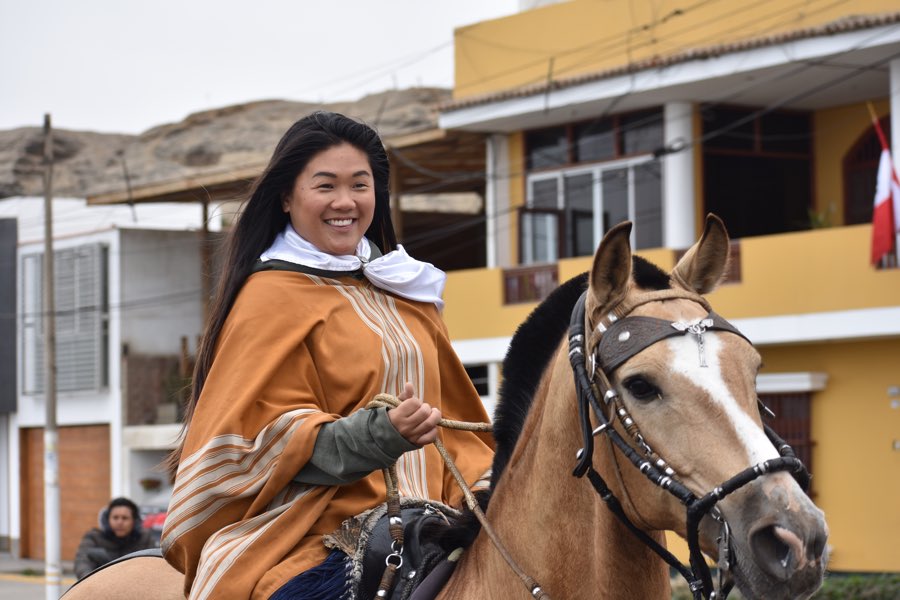


Northern Peru Escape: Whale Watching & Wellness in Punta Sal
After exploring the Northern Andes and the cloud forests of Chachapoyas, it’s time to pause. I arrive at the far northern end of the Peruvian coast, where the warm Equatorial Pacific Current touches the shore. It is here that I unpack my bags for a final chapter dedicated to rejuvenation and marine wonders.
My Sanctuary: The Timeless Serenity of KiChic
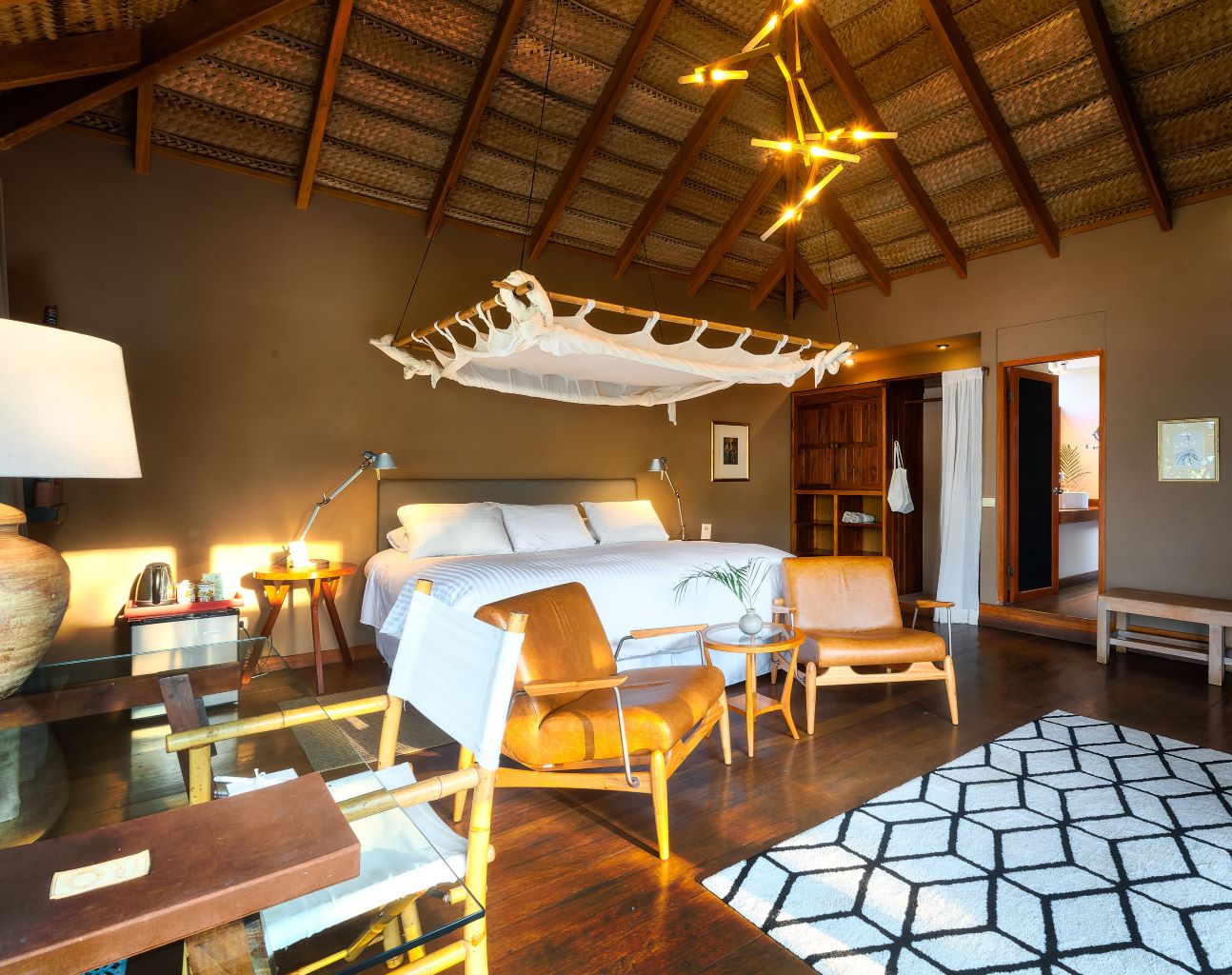
To fully embrace this coastal retreat, I set up base on the quiet stretch of beach between Punta Sal and the tranquil shores of Las Pocitas, just south of Máncora. Away from the town’s lively center, KiChic immediately feels like the natural choice. It is an intimate sanctuary dedicated to wellness, constructed entirely with natural materials, driftwood, and local stone.
Your morning could look like this. A yoga session facing the ocean, set to the rhythmic sound of crashing waves, followed by breakfast filled with sun-ripened tropical fruits and fresh juices. It is the ideal haven to explore the region by day while returning to absolute tranquility every evening.
Whale Watching: Meeting the Humpback Giants
One of the greatest highlights of this coast lies in its extraordinary marine ecosystem. From mid-July to late October (with a breathtaking peak in August and September), these warm waters become the stage for an unforgettable natural spectacle: the humpback whale migration. Traveling thousands of kilometers from Antarctica, these ocean giants seek refuge here to mate and give birth to their calves.
How Does the Excursion Work?
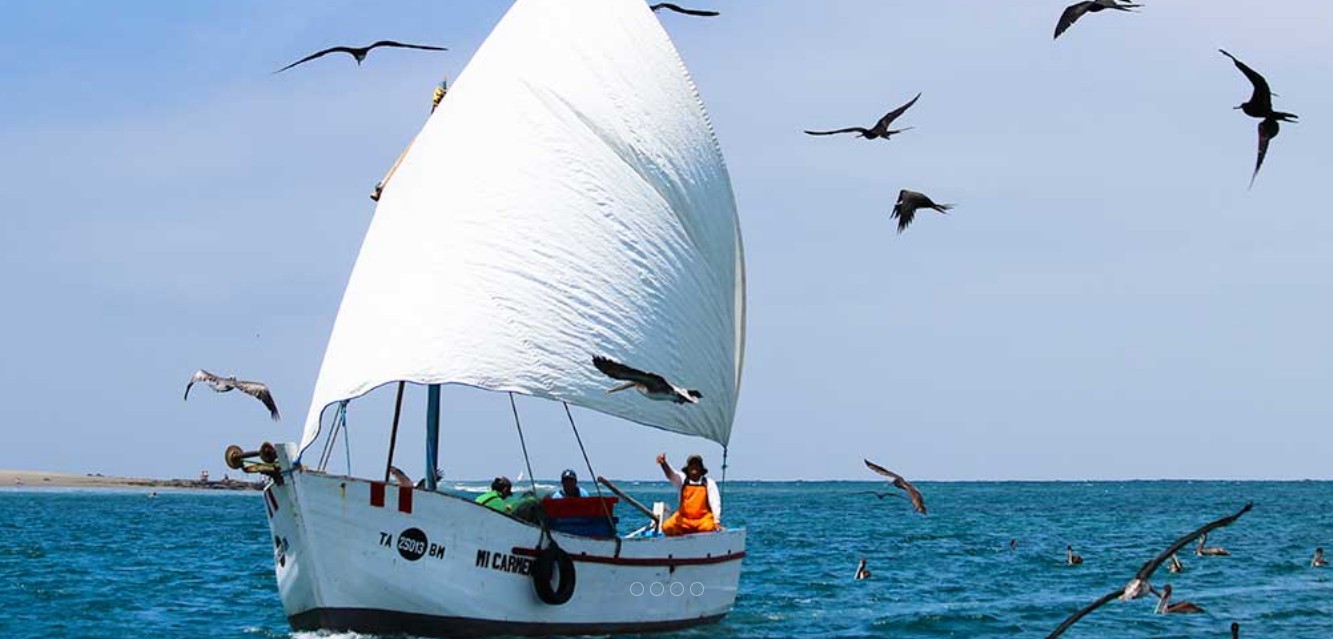
You don’t need to stay in a specific coastal town to enjoy this experience. Boat tours depart easily from Punta Sal, Máncora, or Zorritos. After a short 15-minute drive from the hotel, I arrived at the small fishing port of Los Órganos. Organos is the main hub for eco-responsible marine tours.
-
The Navigation (3 to 4 hours): Setting sail early in the morning (around 7:30 AM) with passionate marine biologists and eco-guides, the horizon quickly comes alive. A spout of water pierces the air, followed by the dorsal fin of a mother swimming alongside her newborn calf.
-
The Thrill of Observation: We were fortunate to witness spectacular breaching, where a 30-ton giant leaps entirely out of the water before crashing back into the foam. Using a hydrophone submerged below the boat, we listened to the haunting songs of males during their courtship displays—a moment of rare intensity.
-
Surrounding Marine Wildlife: On the return journey, the boat stops near El Ñuro Bay to observe sea turtles, wild dolphins, and blue-footed boobies perched along the rocky shoreline.
Another Season, Another Treasure: Birdwatching in Amotape
If you travel outside the whale watching season, the region holds another hidden natural gem. The equatorial dry forest of Cerros de Amotape National Park and its surrounding private conservation areas (ACP), located just 45 to 50 minutes north of Punta Sal. Protected under the Conservamos por Naturaleza initiative, this unique reserve shelters pre-Andean trees, giant cacti, and shaded valleys.
The Bird Banding Experience (Anillamiento)
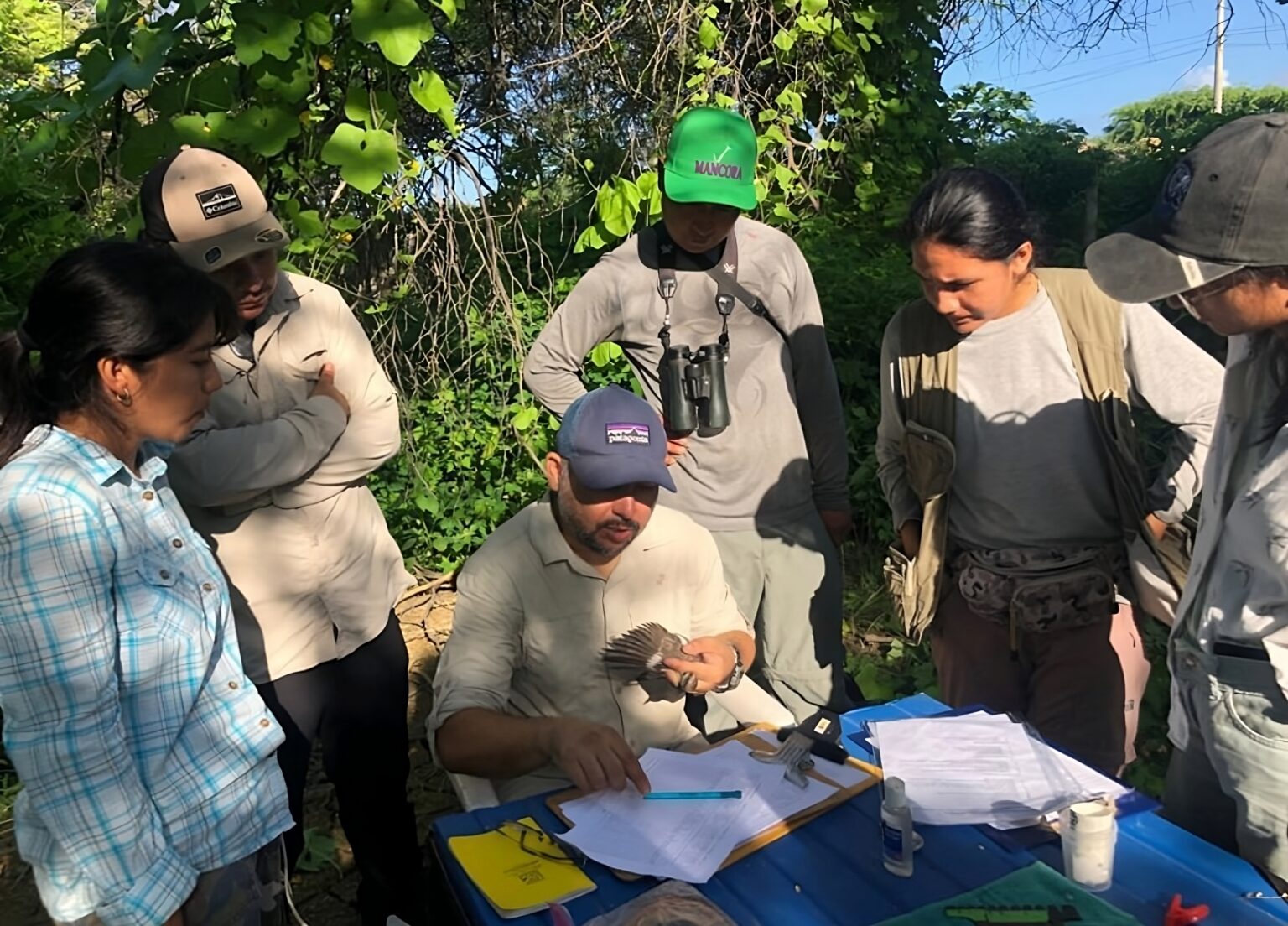
Beyond standard birdwatching hikes, I had the unique opportunity to participate in a hands-on citizen science session. Guided by expert ornithologists, the experience involves assisting with bird counts and observing scientific bird banding (anillamiento). This method allows researchers to monitor local biodiversity and track rare endemic species. You might see the Tumbes Hummingbird (Picaflor de Tumbes) or the Pacific Parrotlet (Perico Pachaloro). It offers an intimate and respectful encounter with local wildlife.
Please note: Bird banding sessions do not run year-round or daily, and are available strictly upon advance reservation.
Practical Travel Notebook: Logistics & Tips
How to Get There
By Air from Lima: Take a direct flight from Lima to Talara (1h 45m), followed by a 45-minute road transfer to Punta Sal and Las Pocitas. Alternatively, you can fly into Tumbes (a 1h 15m drive to Punta Sal).
By Bus from Chiclayo: Comfortable long-distance buses (such as Cruz del Sur or Oltursa) connect Chiclayo directly to Máncora and Punta Sal in 6 to 7 hours.
Where to Stay
Opting for the quiet beaches south of Máncora (Las Pocitas) or Punta Sal is recommended. This allows you to avoid the town’s nightlife while staying close to boat departures and surf spots.
Whether you’re marveling at the breath of a humpback whale, observing rare hummingbirds in the dry forests of Amotape, or simply soaking in the serene atmosphere of an eco-lodge like KiChic, this northern coast provides a memorable conclusion to any Peru itinerary.