
Behind the Scenes: How We Organize Activities with Our Local Partners
Organization, time management, fair pay, and transparency: sharing our core values.
When you choose to travel with Phima Voyages, you already know that an excursion into the heart of a community or a workshop with a local artisan isn’t something arranged in a single click on an industrial booking platform. Behind every authentic encounter—whether it is a traditional weaving workshop, a pottery introduction, or a shared moment within a local community—lies a deep ethical commitment and a finely tuned human collaboration.
For us, rural and responsible tourism is not just a marketing slogan. It is a daily, deeply rewarding, yet complex practice. In this article, we lift the veil on our logistical organization. We talk about time management, fair compensation, and the delicate but crucial question of tipping and buying handicrafts on-site.
1. Preparation and Respecting Local Time
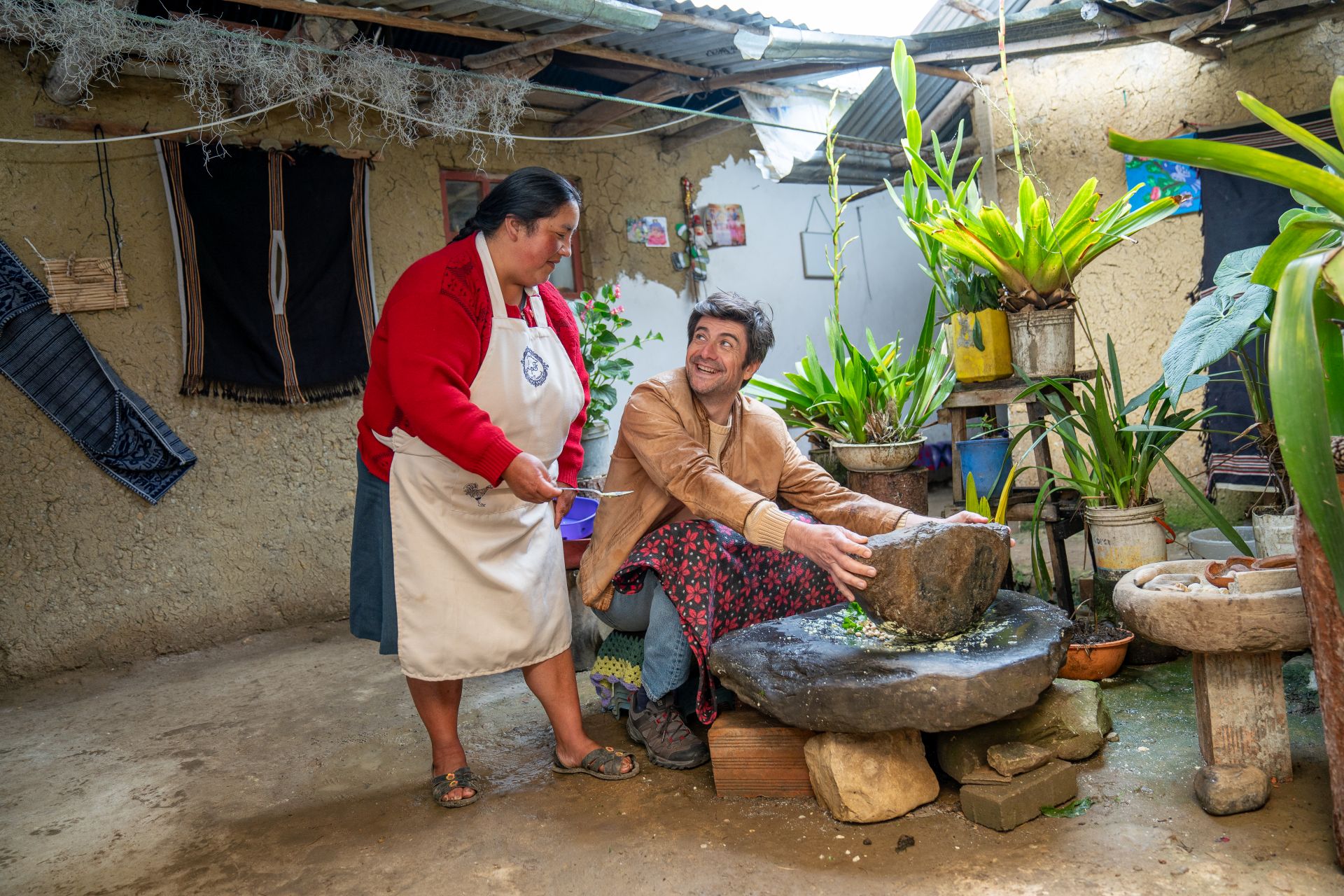
Integrating a community-based or artisanal activity into a tailor-made itinerary requires great flexibility. Unlike mass-tourism structures, our local partners are first and foremost artisans, farmers, or rural families. Responsible tourism provides them with a vital secondary income, but it does not replace their traditional way of life. Therefore, the activity must fit harmoniously into their daily routines.
-
Behind-the-Scenes Preparation: Long before you arrive, artisans prepare the raw materials (clay, naturally dyed yarns, tools), which represents hours, sometimes days, of invisible labor.
-
Time Management: We ensure that workshops respect the rhythm of the community. For travelers, this sometimes means slowing down, accepting that time is not counted to the exact minute, and truly savoring the present moment.
2. Our Payment Model: Fair and Direct Compensation
This is the very core of our responsible tourism mission. A very legitimate question frequently comes up from our travelers: Are the artisans actually paid for the time they spend with us?
The answer is an absolute yes. At Phima Voyages, financial transparency and equity are non-negotiable:
-
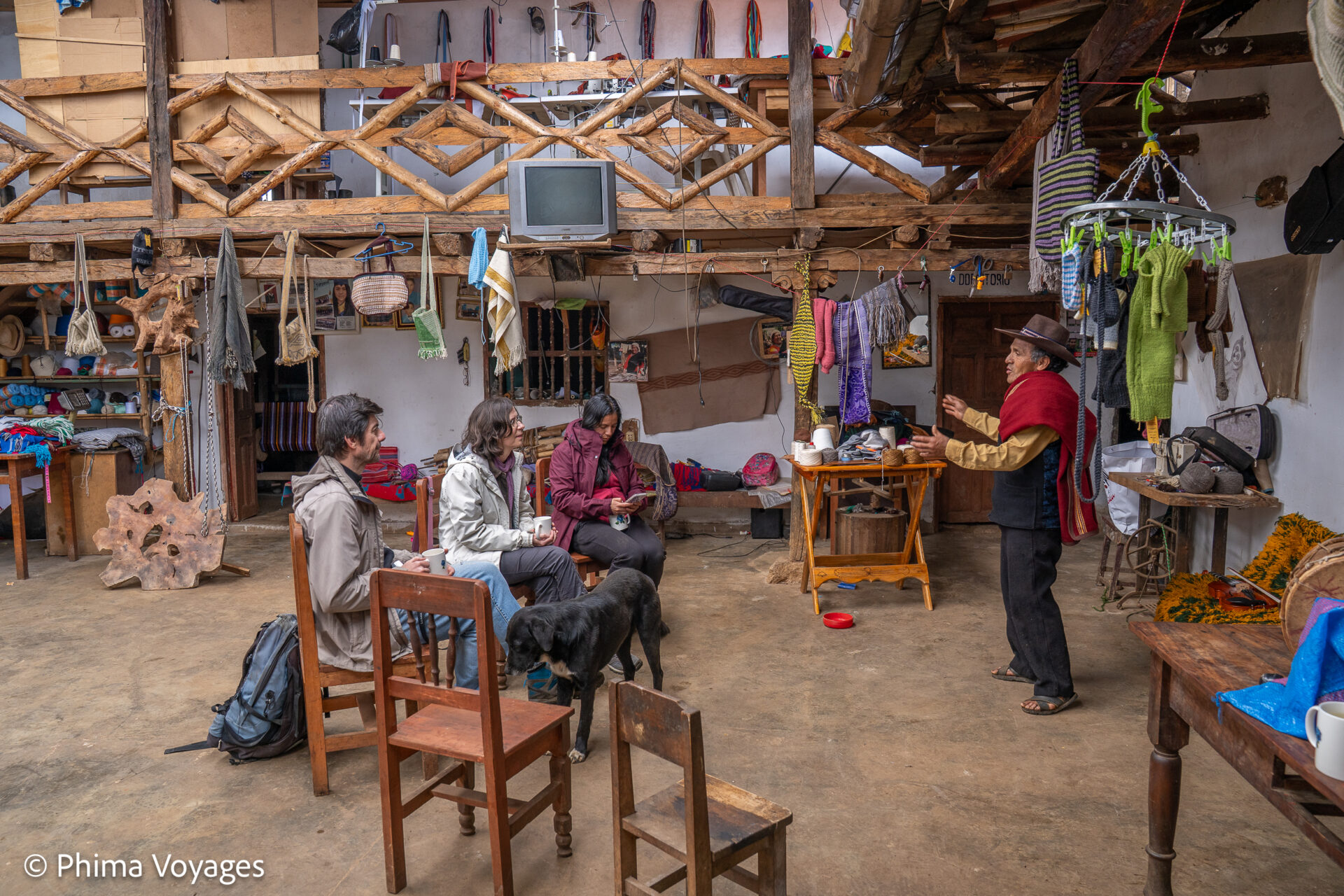
Hosting & Preparation Fees: The time spent by the artisan sharing their knowledge and preparing the workshop is fully included in your tour price. This guarantees them a fair, fixed income, completely independent of whether they sell souvenirs or not.
-
Community Entrance Fees: Access fees directly fund development funds managed by the villages or local associations (supporting educational projects, access to water, collective infrastructure).
-
Local Guide Compensation: A direct wage is paid to the “cultural promoters” of the village, valuing local skills and fostering cultural pride.
Every partner is compensated at a fair rate, established in close consultation with them. They never depend on a visitor’s goodwill or “charity” to live with dignity from their demonstration activity.
3. Buying Souvenirs and Tipping: What are the Rules?
This is a common source of uncertainty for travelers. When meeting artisans or watching a weaving demonstration, are you expected to buy something? Should you give an extra tip? Local guides sometimes hesitate to give a blunt answer out of modesty. Here is our clear philosophy on the matter:
-
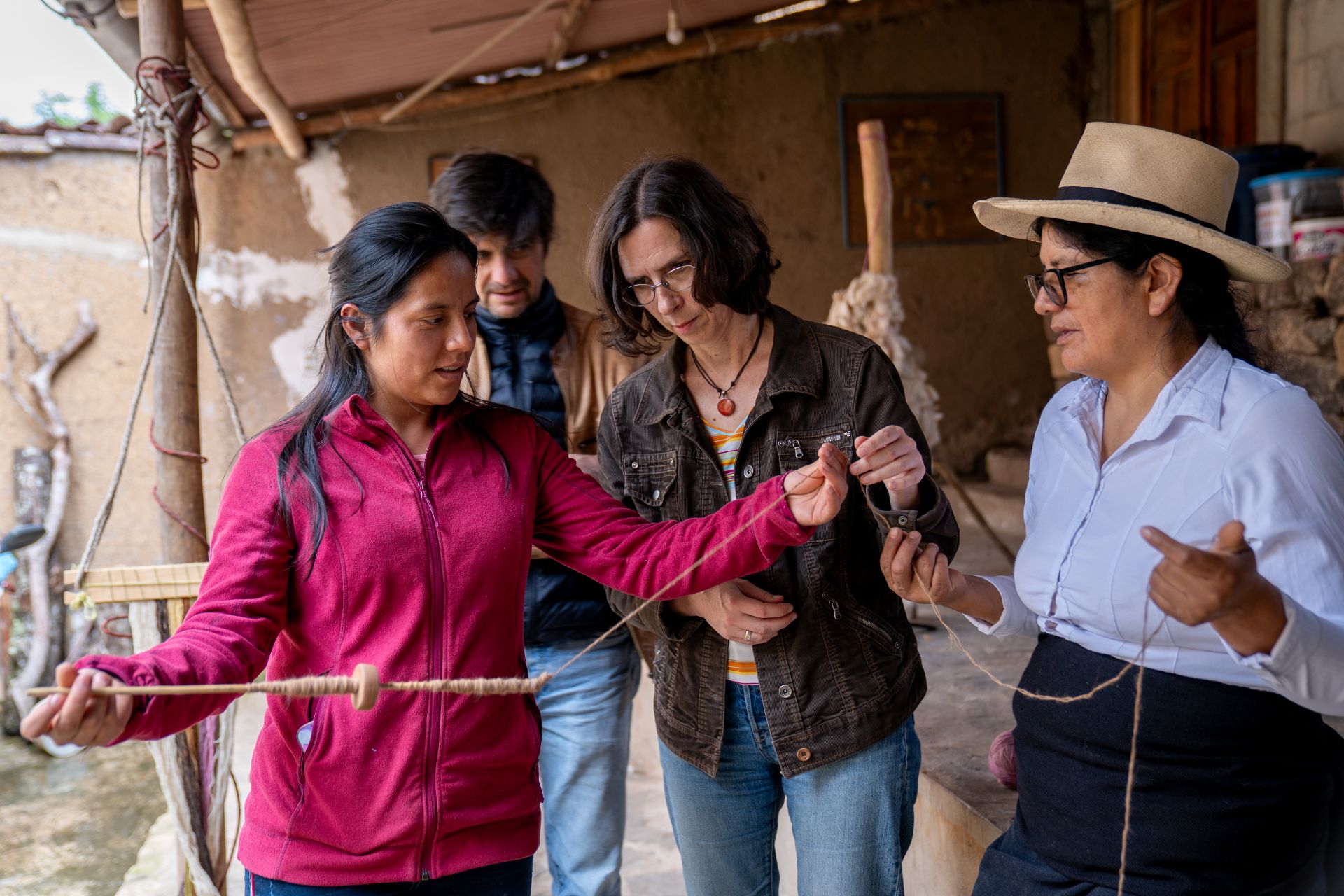
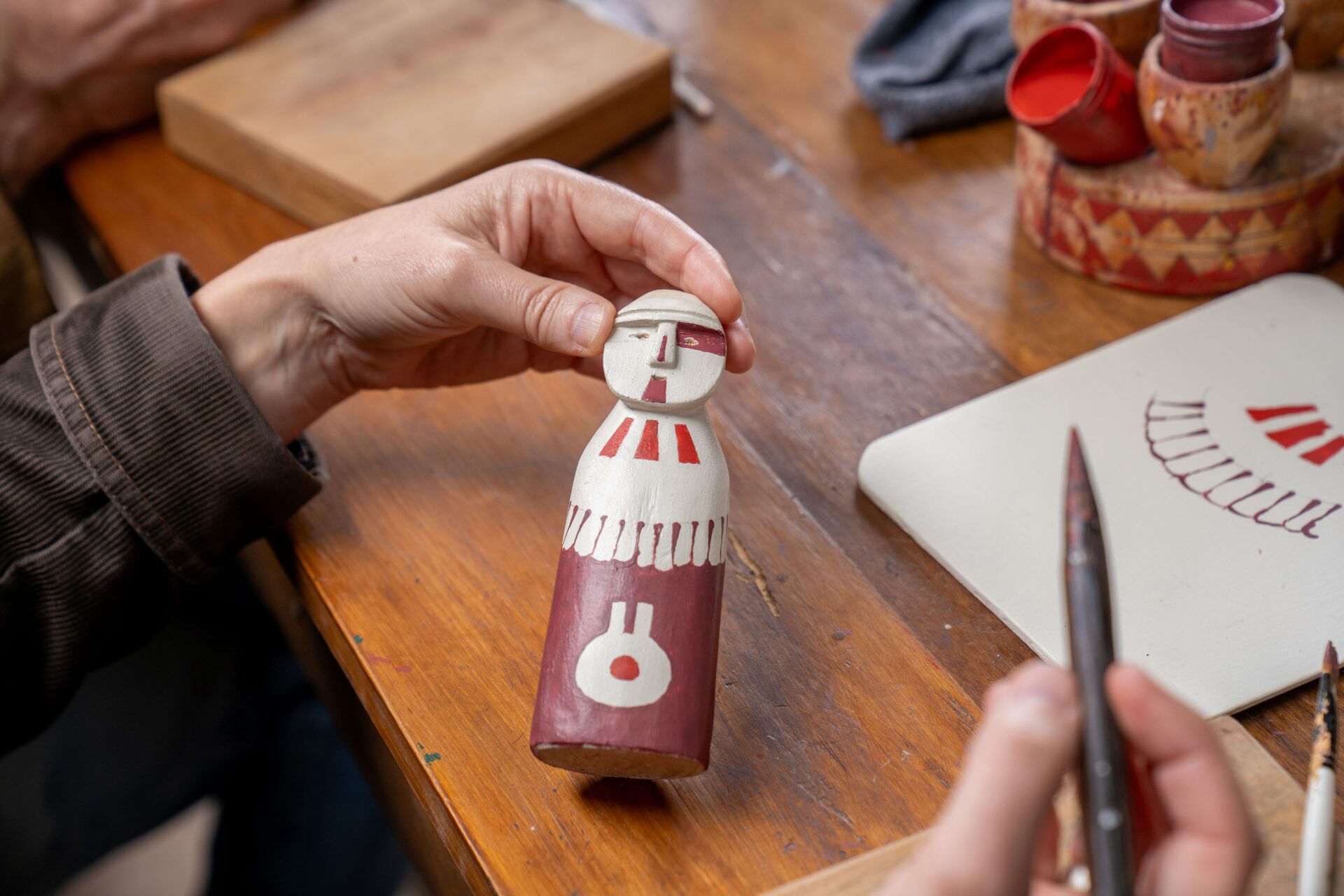
Buying Souvenirs (Highly recommended, never mandatory): Since the artisan is already paid for their time, you are under no obligation to buy. However, we highly recommend saving a little room in your suitcase. The products sold in these workshops (textiles, pottery, woven baskets) are of exceptional quality, sold directly without intermediaries at a very fair price. Furthermore, these same artisans sometimes sell their work in larger cities, where they are often much more expensive. Buying on-site means bringing home an item with a real story and a human face behind it.
-
The Tipping Question : A tip should remain exactly what it is by definition: a spontaneous token of appreciation for an exceptional moment, not an obligation. It is not expected to compensate for a lack of income, as their base compensation is fully guaranteed. If the exchange was meaningful and you wish to give, it will be received with gratitude. But it should never be a source of discomfort or pressure for you.
Did you know? By purchasing your handicrafts directly from rural communities, you contribute directly to preserving ancestral traditions that might otherwise vanish due to rural exodus.
4. The Daily Challenges of Rural and Responsible Tourism
Building these bridges between two worlds comes with its share of challenges. The lack of infrastructure in remote areas, weather hazards that can alter road access, or language barriers are all elements we manage on a daily basis. This is why our national guides play an essential role as cultural translators.
We work continuously with our guides so they can echo this philosophy during your journey. They ensure you always feel perfectly at ease and that every question is answered with absolute transparency.
In conclusion: Traveling responsibly means accepting a contract of trust. You come to learn, discover, and share; our partners open their doors knowing that their dignity and work are fully respected. A beautiful synergy where everyone comes away enriched.