

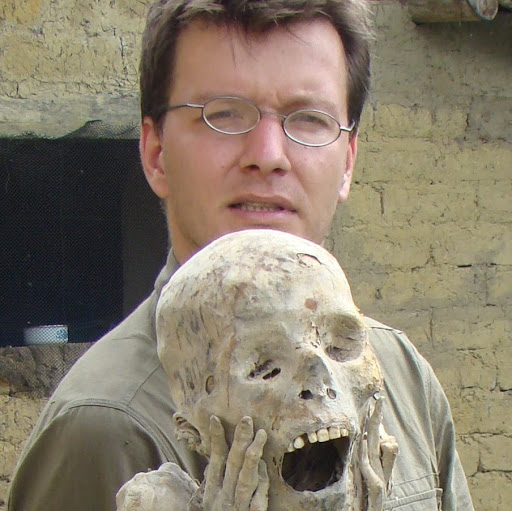
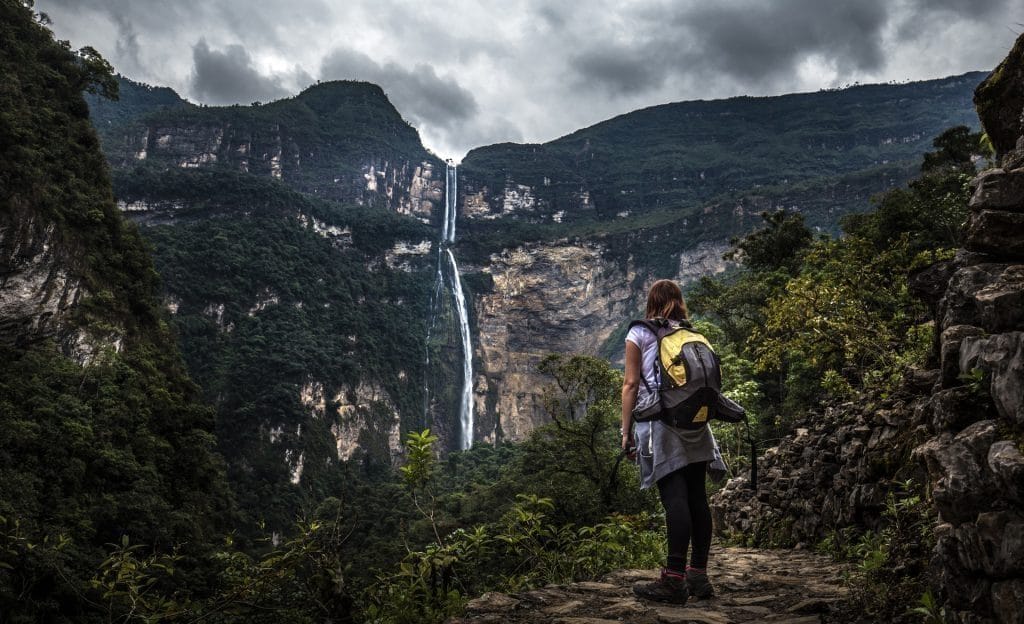
The Gocta waterfall is located in the Amazonas region of Northern Peru. It is considered one of the highest in the world and was only discovered in 2002 by the German Stefan Ziemendorff.
The Gocta Waterfall is located in the Amazonas region, in northern Peru. It is considered one of the highest waterfalls in the world, and it was the German explorer Stefan Ziemendorff who brought it to international attention in 2006.
1. The Discovery of Gocta
In 2002, Stefan Ziemendorff first noticed this natural wonder.
Stefan is a researcher and expert in mummies. He has written several articles on the relationship between the mummies of the Chachapoya culture and the paintings of Gauguin and Munch.
At the time, he was searching for sarcophagi in the Amazonas region when he spotted a waterfall in the distance. Intrigued, he returned a few years later to reach the foot of the falls. To do so, he went to the village of Cocachimba and asked the locals if they could take him there. However, it was difficult to find someone willing to accompany him, because of the legends surrounding the waterfall.
A small group guided him to Gocta, but only Telésforo Santillán went with him all the way to the base of the falls. Impressed, Stefan Ziemendorff had it measured. In February 2006, during a press conference, its official height of 771 meters (including both drops) was announced.
Fun fact!
Local residents had never realized that they lived right next to one of the highest waterfalls in the world.
2. Where Does the Name “Gocta” Come From?
The exact origin of the name Gocta remains uncertain, and several theories circulate in the region.
One version says it comes from the sound made by the monkeys living in the forest around the waterfall: “gog, gog, gog.” This is one of the more recent interpretations.
However, it’s worth noting that in the Chachapoya region, many rivers and waterfalls have names ending in -gote or -gota. According to Australian linguist Gerald Taylor, this may mean “river” or “water.” In fact, other waterfalls in the same Bongará Province also bear the name Gocta. This supports the hypothesis that Gocta could be of Chachapoya origin.
In any case, Gocta is the ancestral name of the waterfall – not Chorrera, as it is sometimes mistakenly called online.

3. Gocta, the 3rd Highest Waterfall in the World?
The Gocta Falls drop spectacularly and vertically in two main tiers, with a total height of 771 meters.
Locals claim that it is the third highest waterfall in the world, a ranking consistent with that of National Geographic, which allows for interruptions in the fall.
According to the World Waterfall Database, however, Gocta ranks around 15th, based on measurements that only count waterfalls with uninterrupted drops.
4. Nature Along the Trail to Gocta
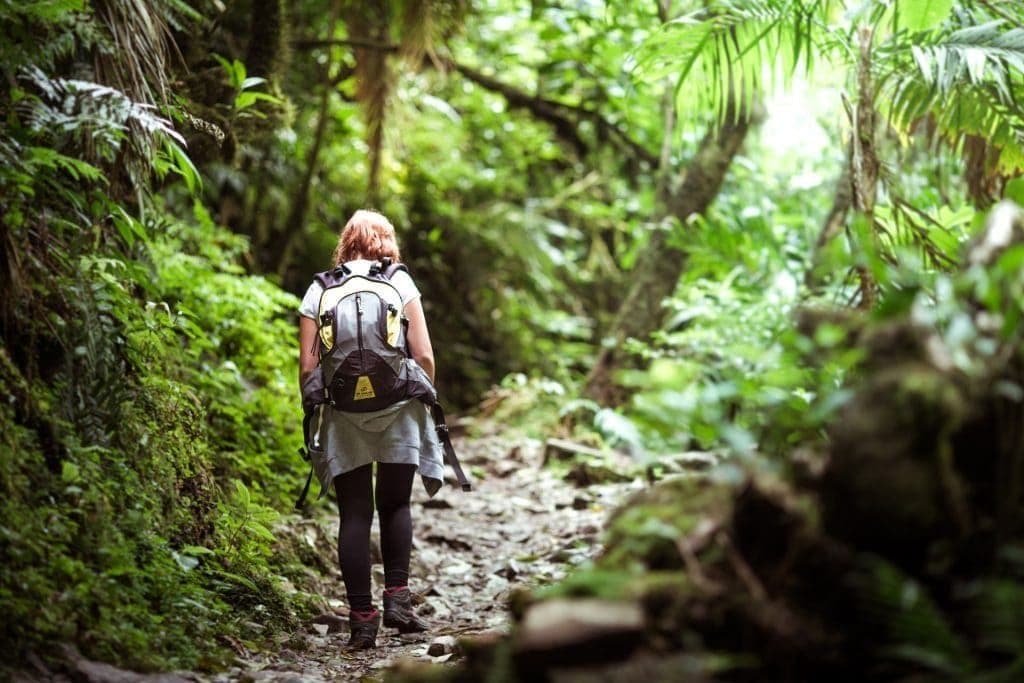
To reach the Gocta Waterfalls, you must walk through the surrounding cloud forest.
The vegetation is lush and unique. Orchids, bromeliads, and other exotic flowers and plants line the trail. If you arrive early in the morning—around 6 a.m.—or stay until late afternoon, you might be lucky enough to spot the Marvelous Spatuletail Hummingbird, which exists nowhere else in the world, or the bright red Andean Cock-of-the-Rock, Peru’s national bird.
The dense vegetation gives the entire trek a mystical atmosphere.
Along the way, you can also see up to 22 waterfalls, especially during the rainy season, from February to May.
Good to know
The forest leading to Gocta is a fragile and threatened ecosystem. For a long time, local farmers used to burn forest areas when renewing their farmland—a habit that has been hard to change.
Today, a large part of the forest is community-owned and protected. For example, a youth association has replanted trees along the trail to help preserve this natural treasure.

5. How to get to Gocta?
To begin your journey, you can plan a hike to the Gocta Waterfalls from Chachapoyas, the capital of the Amazonas region. From there, you can take a shared minivan (combi) or hire private transport.
You have two starting points to choose from:
Via Cocachimba
Cocachimba is located about 55 minutes by car from Chachapoyas, at an altitude of 1,800 meters.
Once you arrive in the village—whether it’s San Pablo or Cocachimba—don’t forget to pay your entrance fee at the local tourism association office. The amount is modest and helps maintain the trails leading to the waterfall. A small but valuable contribution!
From Cocachimba, it’s about 5 km to reach the base of Gocta. The trail is undulating: the first 2 km are quite challenging, especially on the way back, with steep climbs and descents. The hike is considered moderate, taking between 2 to 2.5 hours each way, depending on your fitness level. However, for city dwellers, we’d say it feels closer to difficult.
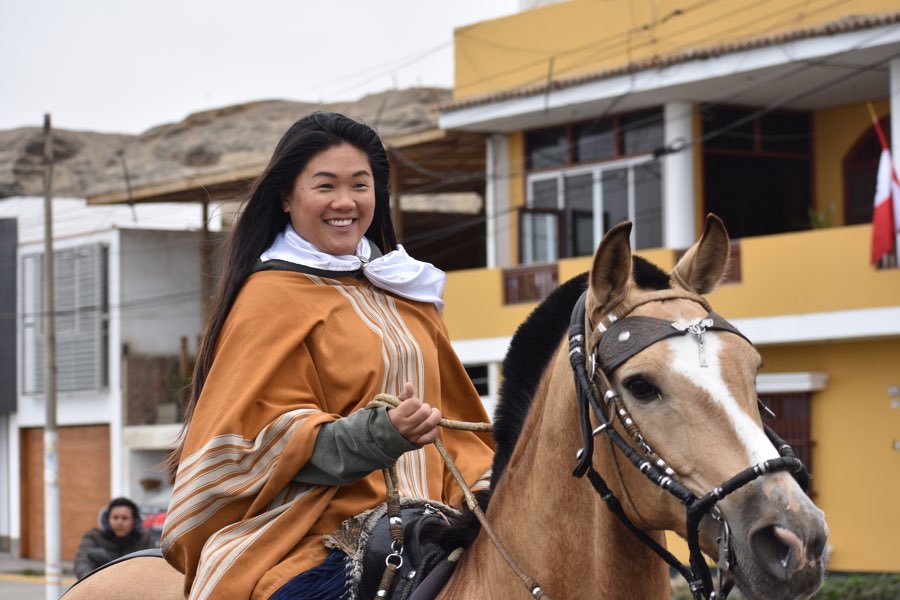
If you wish, you can ride a horse for the first 3 km by booking in advance and paying a small extra fee. You’ll still have to walk the last 2 km, which takes about 40 minutes.
The further you go, the closer you get, and the more you realize just how tall the waterfall truly is. At some point, you’ll only see the second tier, which measures 540 meters.
Via San Pablo
San Pablo is also about 55 minutes from Chachapoyas.
The main difference from Cocachimba is that you can’t see the waterfall from the village of San Pablo. You’ll need to start walking, and the falls will only come into view after about one hour.
The hike from San Pablo leads you to the first tier of the waterfall. As with the Cocachimba route, it takes around 2 to 2.5 hours to get there. The terrain is slightly less steep overall, making this path a bit easier than the one from Cocachimba.
Along the way, you’ll pass fields of sugarcane and corn and walk through the cloud forest. You can also see Chachapoya ruins on the trail. Don’t forget to stop at the viewpoint (mirador), where you can admire the entire waterfall in all its grandeur.
Villagers are happy to rent horses and guide you along the way. In San Pablo, the horseback ride takes you even closer than in Cocachimba—just a few minutes’ walk from the foot of the first tier of Gocta.
6. The Legends Surrounding Gocta
The waterfall both fascinates and frightens, which surely explains the many legends that surround it. For a long time, these stories kept the local population away from Gocta.
The Legend of the Giant Snake
According to one tale, in the main pool of the waterfall lies a golden basin, fiercely guarded by a gigantic snake.
The Legend of the Blonde Mermaid
Another legend tells the story of Guillermo, who used to visit the waterfall regularly to talk with a mermaid living near its edge. To thank him for keeping her company, the mermaid would offer him jewels, which he carefully hid.
One evening, he returned home without emptying his pockets, and his wife discovered the glittering ornaments. Consumed by jealousy, she said nothing but secretly followed him. To her surprise, he headed toward the waterfall—where she saw him meet the mermaid. Overcome with jealousy and rage, she rushed toward them. The noise of the falling stones startled the mermaid, who dove suddenly into the depths of the cascade, dragging Guillermo with her.
Neither Guillermo nor the blonde-haired mermaid were ever seen again.
In another version of the story, the mermaid enchants the men of the village, luring them to the depths of the waterfall to kill them. Yet, this doesn’t mean that a woman venturing there alone would be any safer.
7. Where to Eat and Stay
Food and restaurants
- You can bring a picnic to enjoy at the base of the waterfall. Of course, under these circumstances, be sure to leave no waste behind.
- In Cocachimba, you’ll find several good-quality restaurants, and in recent years, the options have expanded even more. We especially recommend El Colibrí, where you can taste delicious local dishes.
- In San Pablo, dining options are more limited, but we recommend the Restaurante Turístico Gocta, run by Señora Gilda.
Accommodation
Gocta Lodge (Cocachimba) – The village’s iconic hotel, now expanded to 23 rooms, offers a spectacular view of the waterfall. It’s famous for the swimming pool photo with Gocta in the background. Be sure to book in advance!
Gocta Natura (Cocachimba) – A high-end eco-lodge run by Rocío, featuring bungalows with waterfall views. Rocío also runs an NGO that provides English lessons for guides and the local school, teaches nutrition classes, and helps women develop new income sources such as weaving.
GoctaLab – An innovative space combining accommodation, research, and environmental education. In collaboration with scientists and NGOs, the lodge offers immersive programs to raise awareness about the region’s ecological challenges. A unique place to learn and take action for nature. Gianna also offers cooking classes (like juanes cocachimbinos) and coffee tasting workshops. There’s an eco-friendly pool and views of the waterfall or the valley.
Mamaq Tambo (Cocachimba) – With only four rooms perched above the village, this lodge was built using local materials and is run by Carmen and Francesco. It emphasizes personalized hospitality and respect for the environment, with an eco-pool, sauna, and massages—and of course, a breathtaking view of the waterfall.