

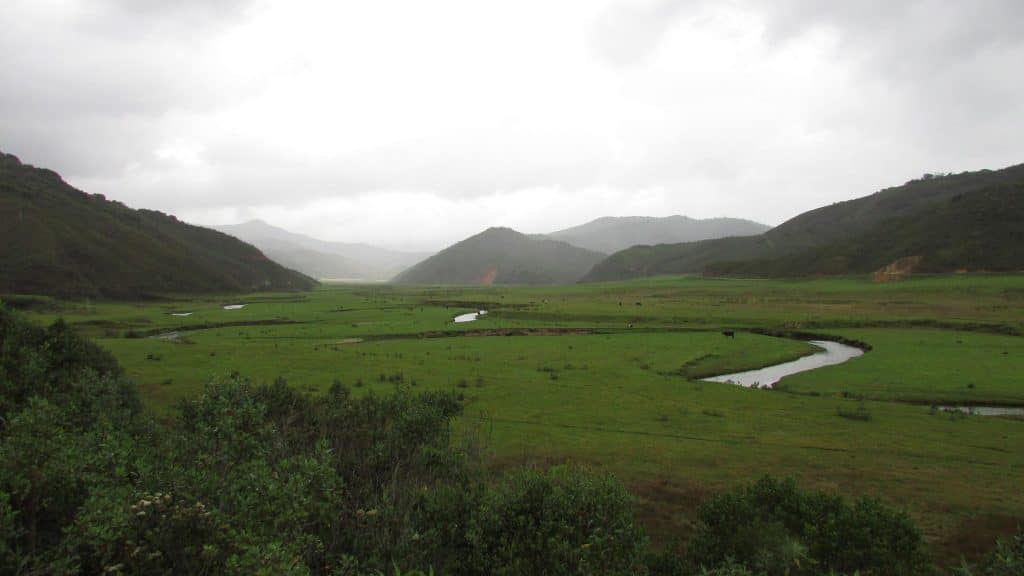
Traveling in Peru means discovering an exceptional natural and cultural richness—but it also means making a commitment to help preserve it. By adopting simple, eco-conscious habits—like limiting your water use, managing your waste, respecting local customs, or supporting handicrafts and community projects—you can contribute to protecting ecosystems and honoring local communities. A responsible journey is, above all, about mindful exchange, humility, and kindness. And of course, wonder.
What to do in Peru
Respect others
Mind your manners, even on the plane. Always say “Buenos días,” “Buenas tardes,” or “Buenas noches”—these greetings are expected and appreciated, even when shopping in small stores. You might even pick up some local phrases during your stay!
Be aware of your behavior. The values and social norms in your country might not align with those in Peru—and could even be considered offensive.
Limit your water consumption
Keep your showers short—7 minutes max. Some Andean areas have limited water resources, especially due to melting glaciers caused by climate change. Always remember: you’re just passing through—unlike the people who live here year-round.
Dispose of your waste properly
Recycling and composting bins can be rare in the Andes, but use them when available. Never leave trash behind—especially in protected areas. If no bin is nearby, carry a plastic bag with you until you can dispose of your waste responsibly. Don’t litter—anywhere.
To reduce your environmental impact:
Bring a reusable fabric bag in your suitcase. Single-use plastic bags are banned in Peru, so a tote bag will come in very handy for your shopping.
Also, pack a refillable water bottle. You can fill it using large bottles of safe drinking water, or at some restaurants and hotels that offer free filtered water to guests.
Avoid all single-use products such as plastic cutlery or water bottles. You might be surprised by the amount of litter in some areas when you arrive in the country.
But rest assured—many efforts are underway at both national and local levels to reduce plastic consumption and improve recycling systems. Educational initiatives are paying off, and people are well aware that environmental protection is a major issue.
A simple and amusing example is the creation of giant iron ducks—literally decorative trash cans—where people place their garbage into the ducks’ mouths.
More useful info: see www.travelersagainstplastic.org
Ask before taking photos & join in local activities
Just like anywhere else, some people don’t like being photographed—especially if it ends up on your Instagram feed. Always ask permission before taking someone’s picture, whether it’s a child, an Indigenous woman, a vendor, or anyone else. It’s a basic form of respect. If you can, briefly explain why you’d like to take the photo.
Also note: some tourist sites prohibit photography. Please respect these rules.
You may also come across traditional activities or celebrations during your visit. Respect local customs and clothing—don’t mock or imitate them. While it might feel strange at first, participating respectfully creates meaningful moments, and locals are often proud to share their traditions and dance together.
Learn a few words of Spanish (or Quechua—why not?)
When traveling abroad, learning a few basic words and phrases in the local language is always a good idea. It makes communication easier and is always warmly appreciated. Plus, it might come in handy in other situations, too. Learning a new language is never wasted time.
A few simple examples:
| Spanish | English | |
|---|---|---|
| Buenos días | Good morning | |
| Gracias | Thank you | |
| Adiós | Goodbye | |
| Por favor | Please | |
| ¿Cómo están? | How are you? |
If you want to go further, try apps like Duolingo or Babbel to learn more about the local languages of the countries you visit.
Souvenirs we recommend
-
Handicrafts: Buy them directly from the artisan. Take time to chat—your gift will come with a story! It also supports the local economy.
-
Local food products (where allowed): A bottle of pisco, Peruvian chocolate…
-
Photos of places and people that moved you.
-
Another idea: create a travel journal with your own reflections and feelings. What a beautiful keepsake to look back on years later! You can also include entrance tickets, postcards, or other mementos—a kind of travel autobiography.
- Do not give gifts to children. Instead, ask your guide to introduce you to a local authority figure—such as a teacher or the mayor—who can distribute gifts appropriately later.
WARNING: You may find so-called “exotic” souvenirs for sale in markets or roadside stalls. Some of these may be illegal or the result of wildlife trafficking—like feathers from protected birds. Purchasing them can result in heavy fines.
More information available through our guide to ethical souvenirs.
Respect local etiquette at restaurants
Peruvians don’t always leave tips, but in tourist restaurants, a 5–10% tip is appreciated. Dishes are often shared, and portions can be quite large. Don’t let your eyes be bigger than your stomach!
Culture
-
Listen to your guide. They’ll share valuable insights about local customs and traditions—and help you avoid cultural missteps.
-
Learn about and respect local traditions.
-
Always ask before taking photos of people. Not everyone wants to appear on your Instagram feed.
-
Think twice before bargaining—one euro might not matter much to you, but it can make a big difference to the vendor.
-
Learn a few polite phrases in the local language. It will be deeply appreciated by the people you meet.
Hiking / Nature / Wildlife
-
Stay on marked hiking trails to help protect surrounding ecosystems.
-
Do not walk on archaeological ruins.
-
Help preserve natural habitats: protect local plants and animals, and never buy products made from endangered species. Don’t pick flowers or plants just because they look nice.
-
Always bring back your waste to the hotel after a day out—even organic or plastic waste. Leave no trace.
-
Before doing any activity involving animals (swimming with dolphins or turtles, holding sloths, etc.), do proper research.
-
Travel with a water-filtering bottle like Lifestraw—especially in Peru, where tap water is not drinkable.
Hotels
At Phima Voyages, we favor sustainable accommodations that align with our values of responsible tourism. We prioritize small, family-run, locally rooted structures that support the local economy and offer authentic experiences.
In Peru, international certifications are rare. Instead, we choose accommodations based on good practices observed during our field visits and confirmed through feedback from our guides and travelers. These places often work closely with local communities, respect the environment, and celebrate culture through architecture, decoration, and traditions.
Some tips:
-
Choose local accommodations, restaurants, and shops owned and operated by locals.
-
Keep your showers short—water is a precious resource.
-
In places rated under 3 stars, comfort can be rustic (no heating), but the welcome is warm and genuine. Don’t hesitate to talk with your hosts—this is where the true richness of travel lies.*
Get involved in local projects
If you’d like to support a local association, let us know. We’ll gladly connect you.
- We partner with Milpuj, where you can plant a tree and contribute to environmental protection.
-
Since 2024 we support the elementary school of Cuispes where your help allows us to buy school furnitures for the children of the village.
What not to do in Peru
Don’t throw toilet paper in the toilet
Plumbing systems can be fragile in some bathrooms—especially in less touristy areas. Always follow the posted instructions, such as using the bin provided for used toilet paper. Otherwise, you risk clogging the toilet. It’s also a good idea to carry a roll of toilet paper with you at all times, just in case.
Respect smoking regulations
It is forbidden to smoke within 10 meters of a building entrance.